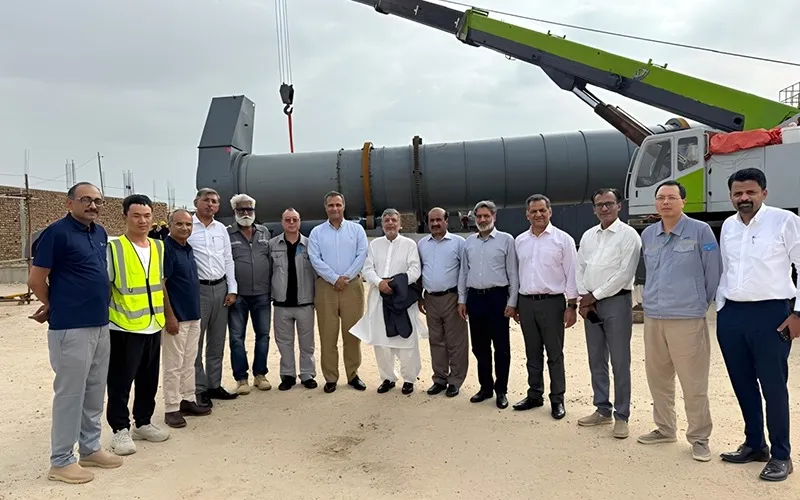


Thar, July 28, 2026: A high-level stakeholder meeting was held at the Thar Block-1 mine site to advance discussions on the supply of indigenous Thar coal for the 660 MW Jamshoro Power Project. The meeting was attended by Chairman of K-Electric Limited (KE) Mr. Shaheryar Arshad Chishty, Managing Director of the Thar Coal Energy Board (TCEB) Mr. Tariq Ali Shah, Chief Executive Officer of Sino Sindh Resources Limited (SSRL) Mr. Li Jigen and Chief Executive Officer of Jamshoro Power Company Limited (JPCL) Mr. Muhammad Abdul Vakil, representatives of the Private Power and Infrastructure Board (PPIB), and other relevant stakeholders.
Discussions focused on coal-supply arrangements for the Jamshoro project during its interim blended-coal operations and following its proposed conversion to full utilization of Thar coal. The initiative was also considered in the context of KE’s wider generation transformation programme, including opportunities to align suitable assets within its own portfolio with indigenous fuel sources.
Recognizing the wider importance of conversion of Jamshoro project to Thar coal for Pakistan’s power sector, KE funded and commissioned an independent bankable feasibility study by German engineering consultant Dornier Power and Heat GmbH. The study established the technical and economic viability of the proposed conversion and estimated that it could generate economic benefits of approximately USD 3.2 billion over the project’s remaining life, based on the study’s underlying assumptions. The conversion could also significantly reduce imported-coal requirements and conserve valuable foreign exchange.
KE’s Chairman Mr. Shaheryar Arshad Chishty reaffirmed the company’s commitment to pursuing viable opportunities for lowering the underlying cost of electricity for Karachi’s consumers.

“Greater utilization of Pakistan’s indigenous energy resources can support affordable electricity, strengthen energy security and reduce pressure on the country’s foreign-exchange reserves. The Jamshoro conversion, together with KE’s efforts to optimize its own generation portfolio, forms part of our broader operational and financial transformation, with the ultimate objective of delivering sustainable value to Karachi’s consumers,” he said.

KE highlighted that the combined off-take requirements of the Jamshoro project and KE’s future generation portfolio would create the long-term demand necessary to justify the expansion of Block-1 mine from the current approximately 7.8 million tonnes per annum (MTPA) to around 15.6 MTPA. In response to this strategic demand, SSRL confirmed its readiness to undertake the mine expansion ahead of JPCL’s planned conversion from imported coal to indigenous Thar coal by 2029, enabling uninterrupted long-term coal supplies while further enhancing the cost competitiveness of Thar coal.
CEO of SSRL Mr. Li Jigen expressed confidence in the company’s ability to complete the proposed expansion using its own financial resources. He noted that the expansion would benefit from comparatively limited incremental overburden-removal requirements and would incorporate the latest mining technologies, including electric mining vehicles, greater utilization of grid-supplied electricity in place of diesel-powered equipment wherever feasible, and modern Bucket Chain Excavator (BCE) systems to improve mining efficiency, reduce operating costs and minimise the project’s environmental footprint. The resulting economies of scale are expected to further reduce the long-term cost of Thar coal. SSRL, JPCL and KE also resolved to conclude the requisite Coal Supply Agreement (CSA) at the earliest to enable SSRL to initiate the timely procurement of critical mining equipment, particularly electric (EV) dump trucks and other long-lead mining assets required for the proposed expansion.

MD of TCEB Mr. Tariq Ali Shah reaffirmed the Board’s readiness to facilitate the proposed mine expansion and undertake the necessary regulatory actions within its mandate, with the objective of improving mining efficiencies and reducing coal tariffs for the eventual benefit of electricity consumers. JPCL and PPIB also expressed support for progressing the initiative, and the stakeholders agreed on coordinated follow-up actions covering the required technical, commercial, regulatory and supply arrangements.
KE’s funding of the feasibility work and its continued engagement with key stakeholders reflect its commitment to contributing its resources and institutional capabilities towards initiatives of wider national importance. By lowering generation costs and reducing exposure to imported fuels, such interventions could support consumer relief, conserve foreign exchange and create a pathway towards progressively reducing the power sector’s reliance on Government of Pakistan-funded tariff support.