


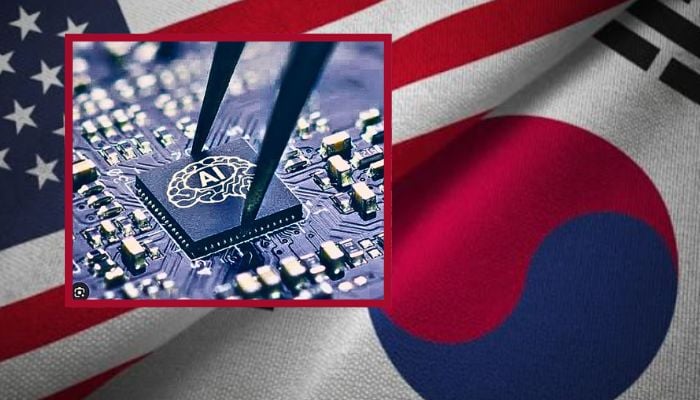
In a latest update, South Korea confirmed that it is actively engaging in discussions with Washington regarding semiconductor investments as the U.S. pursues a targeted tariff strategy to incentivize domestic chip manufacturing.
As Washington pushes a hardline policy that threatens foreign tech giants with steep import penalties, Seoul is pressing U.S. officials for guarantees that its foundational memory makers will not face discriminatory trade barriers.
U.S. Commerce Secretary Howard Lutnick signaled a firm “build here, don’t pay” framework, indicating that companies producing chips overseas will face heavy import tariffs while those manufacturing on U.S. soil will receive relief.
“There are various issues between South Korea and the United States, and they are sometimes affecting each other,” the official said, adding that semiconductors were part of investment-related matters under discussion.

“We are making efforts to prevent them from hindering each other.”

Lutnick said this week that Washington was planning a “targeted, thoughtful tariff policy” on semiconductor imports.
Under a deal that included $350 billion of South Korean investment in U.S. manufacturing struck by the countries’ presidents last year, South Korean chipmakers will receive U.S. tariff rates “no less favourable” than terms offered to any other competitor with an equal or larger volume of chip trade.

South Korea is home to Samsung Electronics and SK Hynix, the world’s largest memory chipmakers. Demand has surged for the chips as U.S. tech firms race to build AI infrastructure.
The official said that Seoul’s negotiations with Washington over national security issues had not been making progress, referring to South Korea’s plan to build its own nuclear-powered submarine as part of last year’s deal.
As reported by Reuters, South Korean Industry Minister Kim Jung-kwan emphasized that ongoing talks rely on a previously established understanding that South Korean memory giants like Samsung Electronics and SK Hynix will not be treated less favorably than international competitors
The dialogue underscores the intense pressure South Korean chipmakers face as they balance massive domestic manufacturing commitments against expanding their operational footprints in the United States to mitigate potential tariff exposure.
