


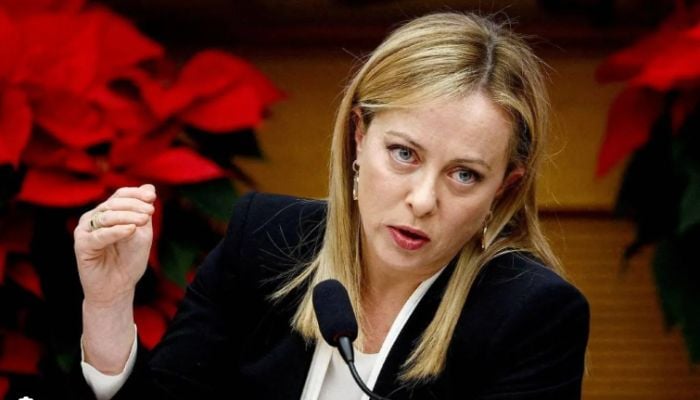
In a major update, the Italian Senate has approved a contentious legislative package backed by Prime Minister Giorgia Meloni’s right-wing coalition, moving to overhaul the country’s electoral system amid intense opposition pushback
The bill passed the upper house with 113 votes in favor and 71 against, dismantling the existing mixed voting structure in favor of a strictly proportional representation model.
After the vote, centre-left senators waved red and yellow placards bearing the slogan; “No to the fraud law.”
The reform’s initial approval in the lower house in July was overshadowed by a setback for Meloni.

Her proposal to reintroduce preferential voting which allows voters to pick their preferred candidates from party lists — was narrowly defeated in a secret ballot due to defections within the ruling coalition.

That vote exposed strains within the alliance ahead of an election due next year, fuelling perceptions that Meloni’s grip on the coalition may be weakening at a time when the centre-left holds a narrow lead in the polls.
Rather than drop the measure, Meloni, who has long supported preferential voting, brought it back to the Senate, which approved it.

Because the reform was amended, it must now return to the Chamber of Deputies, or lower house, for a final vote.
Under the newly advanced framework, any pre-election coalition that secures the most votes while clearing a vital 42% threshold will be awarded a substantial majority bonus to guarantee a stable working government in parliament.
Opposition lawmakers fiercely decried the move, holding up protest placards branding the legislation a “fraud law” and accusing the ruling alliance of rewriting democratic rules to safeguard its grip on power ahead of upcoming national elections.
Critics argue that the 42% threshold and bonus seat allocation undercut smaller political movements and undermine proportional representation principles.
However, Meloni has rejected the suggestion she might make an electoral pact with National Future, but polls say such a tie-up would give them a clear lead over the centre-left bloc.
The legislation now heads back to the Chamber of Deputies for its final parliamentary readings, where political friction is expected to intensify.
