


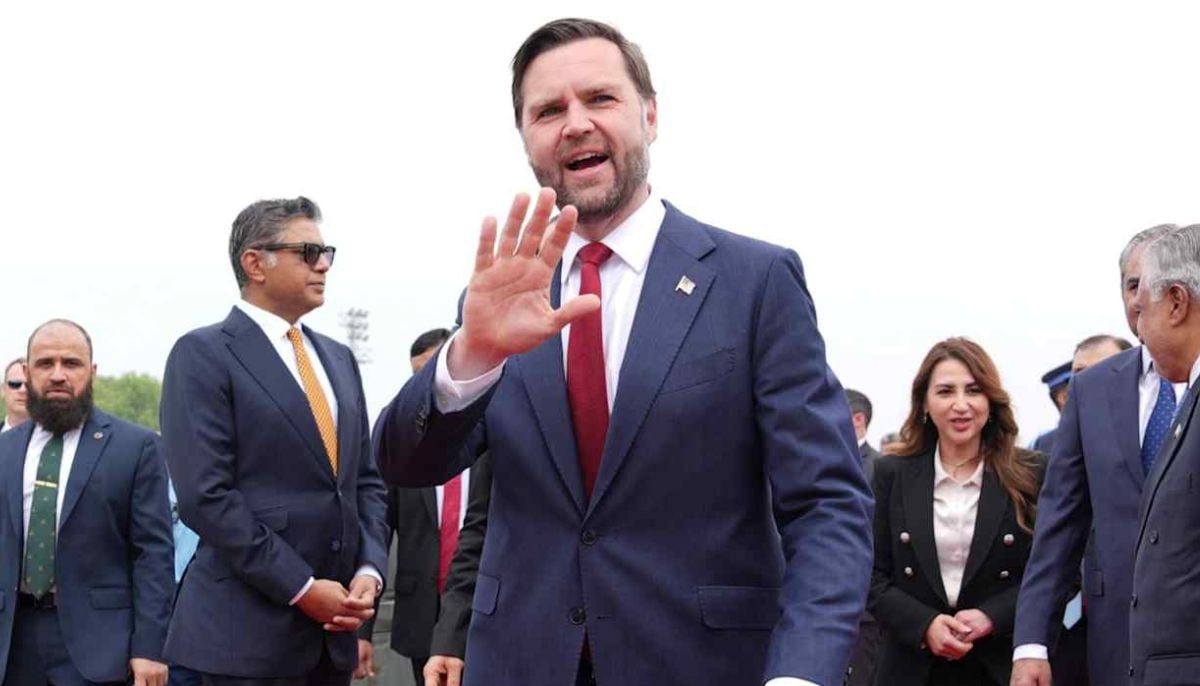
The United States and Iran have failed to reach a historic peace deal following high-stakes negotiations in Islamabad. The stalemate, announced after 21 hours of intense discussions, marks a major setback in resolving the ongoing volatile discussion. Vice President JD Vance clarified that talks concluded because Tehran refused to accept Washington’s final terms.
The head of the US delegation, Vice President JD Vance, told reporters shortly after leaving the high-stakes meeting between Washington and Tehran: “ The bad news is that we have not reached an agreement, and I think that’s bad news for Iran much more than it’s bad news for the United States of America.”
Vance was of the view that Iran chose “not to accept our terms”, emphasizing that the US requires a “fundamental commitment” from Tehran not to develop nuclear weapons. In response, Iran’s Ministry of Foreign Affairs clarified on Sunday that no one had anticipated that talks would reach an agreement in a single session.
Echoing state broadcaster IRIB, ministry spokesperson Esmaaeil Baghei said, “From the beginning, we should not have expected to reach an agreement in a single session. No one had such an expectation.”

Despite 21 hours of intensive negotiations, Vice President JD Vance confirmed that the US and Iran failed to reach a deal to end the conflict. The US delegation has departed Pakistan, leaving behind what Vance described as a “final and best offer” for Iran to consider. He characterized the US as flexible and accommodating, asserting that they negotiated in good faith. He noted that while discussions were substantive, the failure to reach a deal is a greater loss for Iran than for the US. Iranian state media and Ministry spokesperson Esmail Baqaei blamed unreasonable, excessive and unlawful requests from the US for the stalemate. They maintained that Iran presented various initiatives that were ignored.

The core sticking points
A primary objective for the Trump administration remains preventing Iran from obtaining nuclear weapons. Vance underlined the need for a “fundamental commitment” from Iran to abandon its nuclear toolset. Discussions covered a complete end to the war in Iran and issues regarding the Strait of Hormuz. Conversely, Iran demanded that the US recognize its “legitimate rights and interests” as a condition for any progress. Trump was heavily involved in the process, reportedly speaking with the US delegation between six to twelve times during the negotiations to guide the “final and best offer.”