


A series of U.S-Israeli strikes on Iran has reportedly killed several of the country’s most senior political and military figures, in what appears to be a significant blow to the Islamic Republic’s leadership. The developments come amid a widening regional conflict that has also disrupted energy markets and global shipping routes.
Supreme Leader
Iran’s Supreme Leader, Ali Khamenei, was killed at the age of 86 in an air strike on his compound on 28 February, according to reports.
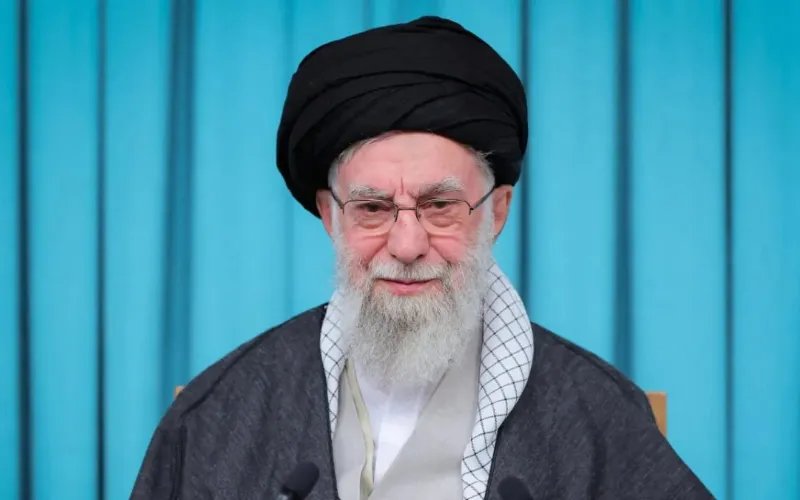
Khamenei had led Iran since 1989, overseeing a consolidation of power through the country’s security institutions while maintaining a confrontational stance towards the United States and Israel. His tenure also saw an expansion of Iran’s regional influence, alongside recurring tensions with Western nations over its nuclear programme.

Senior officials

Ali Larijani, secretary of the Supreme National Security Council and a long-time political figure, was reportedly killed on 17 March in a strike in the Pardis area. Iranian media said his son and a deputy also died in the attack.
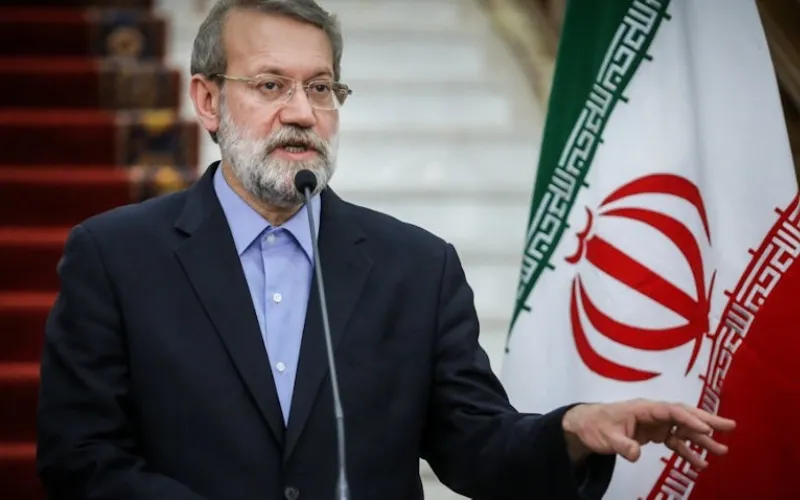
A former Revolutionary Guards commander and nuclear negotiator, Mr Larijani was considered a close adviser to the Supreme Leader and played a key role in shaping Iran’s security and foreign policy.

Iran’s intelligence minister, Esmail Khatib, was reported killed in an Israeli strike on 18 March. A cleric aligned with hardline factions, he had previously worked in Mr Khamenei’s office before assuming leadership of the intelligence ministry in 2021.
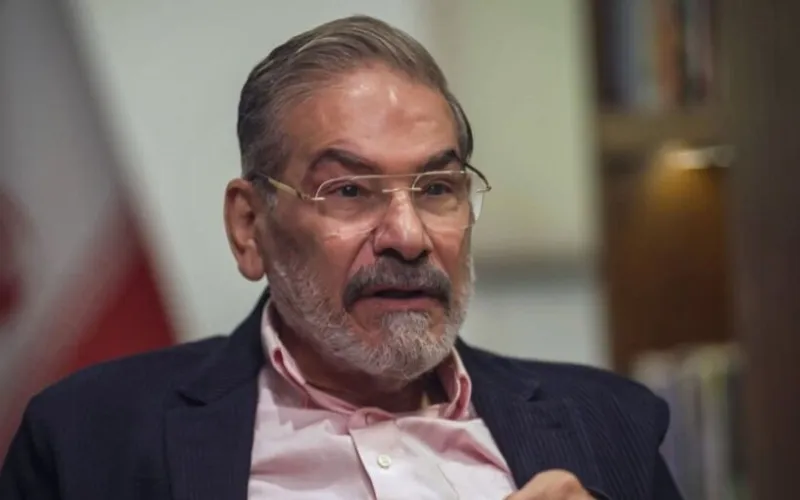
Ali Shamkhani, another senior adviser to the Supreme Leader, was also reported killed in strikes on Tehran on 28 February. He had been a central figure in Iran’s security and nuclear policymaking.
Military leadership
Several top military commanders were also among those reported killed.
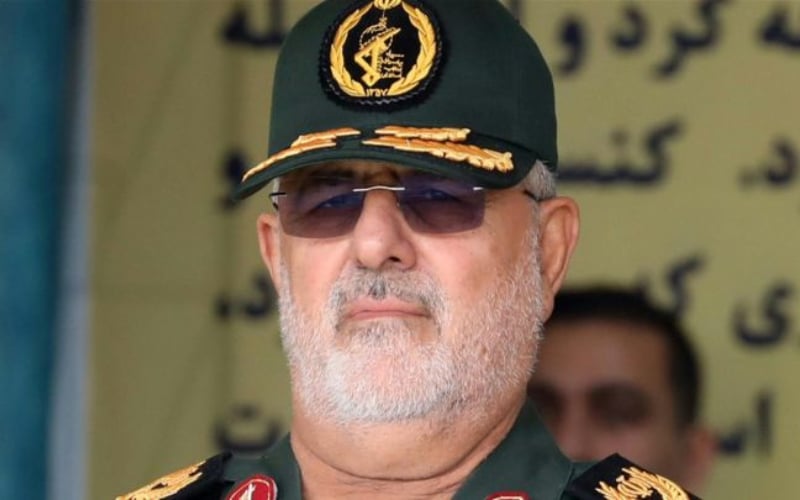
Mohammad Pakpour, commander-in-chief of Iran’s Islamic Revolutionary Guard Corps (IRGC), died in the 28 February strikes in Tehran, according to state media. He had assumed the role after his predecessor was killed in earlier fighting.
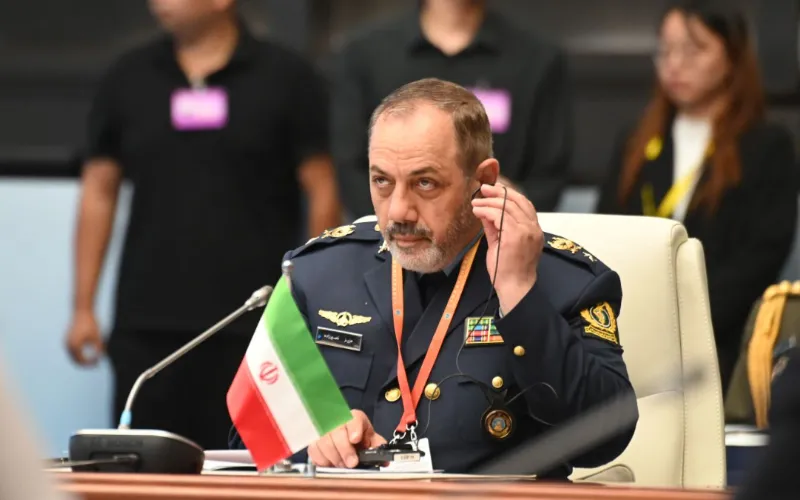
Iran’s Defence Minister, Aziz Nasirzadeh, was also reported killed in the same wave of strikes. A career air force officer, he was involved in defence planning and military strategy.
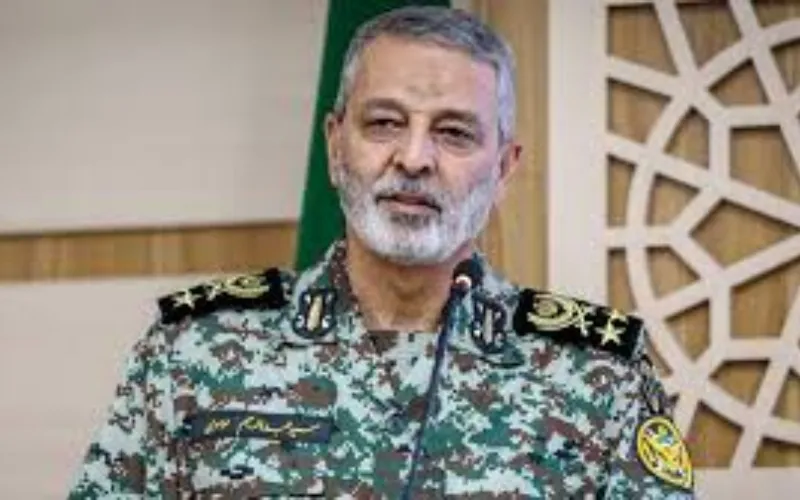
Abdolrahim Mousavi, chief of staff of Iran’s armed forces, was killed during what Iranian media described as a meeting of senior leaders in Tehran. He was responsible for coordinating the country’s military branches.
Gholamreza Soleimani, head of the Basij paramilitary force, was reported killed in strikes on 17 March. The Basij plays a key role in internal security and enforcement.
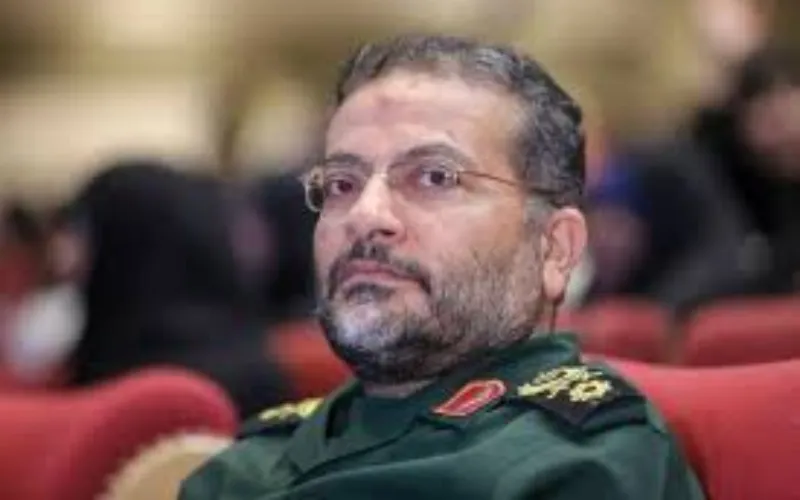
On 26 March, Behnam Rezaei, the Revolutionary Guards’ navy intelligence chief, was reportedly killed in a strike in the port city of Bandar Abbas. The Israeli military said he had been responsible for gathering intelligence on regional countries.