




KATHMANDU: Nepal has been plunged into fresh political turmoil after Prime Minister K.P. Sharma Oli resigned Tuesday, a day after security forces gunned down at least 19 anti-corruption protesters in the capital.
The unrest, driven largely by Gen Z demonstrators, has shaken the Himalayan republic, forcing Kathmandu’s main airport to shut and exposing the fragility of Oli’s fourth term.
His resignation came hours after three ministers quit in protest over the government’s violent crackdown — a crackdown triggered by Oli’s decision to block major social media platforms, a move critics say was aimed at silencing dissent.
That internet ban, lifted only after blood was spilled, set off the most intense street protests Nepal has seen since the monarchy’s abolition in 2008.

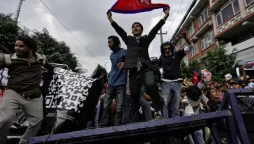
Protesters defied curfew orders and stormed the offices of the ruling Nepali Congress and even the private residence of President Ramchandra Paudel, setting fires and pelting stones.

Witnesses reported ministers being evacuated by helicopter as demonstrators torched politicians’ homes. “This Hitler-like KP Oli government killed our youths. We will not stop until it is gone,” one protester shouted outside parliament.
Oli, 73, acknowledged in a letter to the president that he was stepping down “to take further steps towards a political solution,” but his departure has done little to calm the streets.

The protests have been dubbed “the Gen Z movement” — fueled by viral TikToks contrasting the lavish lifestyles of politicians’ children with the grinding poverty of ordinary Nepalis.
The discontent reflects long-simmering anger at corruption, political horse-trading, and an economy that has failed to provide opportunities for a young population that makes up nearly half the country.
Also Read
With parliament in chaos, ministers resigning, and protesters marching on Kathmandu from border towns, Nepal faces its most serious political crisis in decades.


