




• Pildat survey shows Omar Ayub, Bilawal, Tariq Fazal and Barrister Gohar among top five speakers; PM Shehbaz attended just six of 84 sittings
• 27th Amendment, Elections Bill among 59 passed; ordinances declined to eight from 16, indicating reduced executive reliance
• Average budget per sitting rose to Rs193.93m, up from Rs136.96m
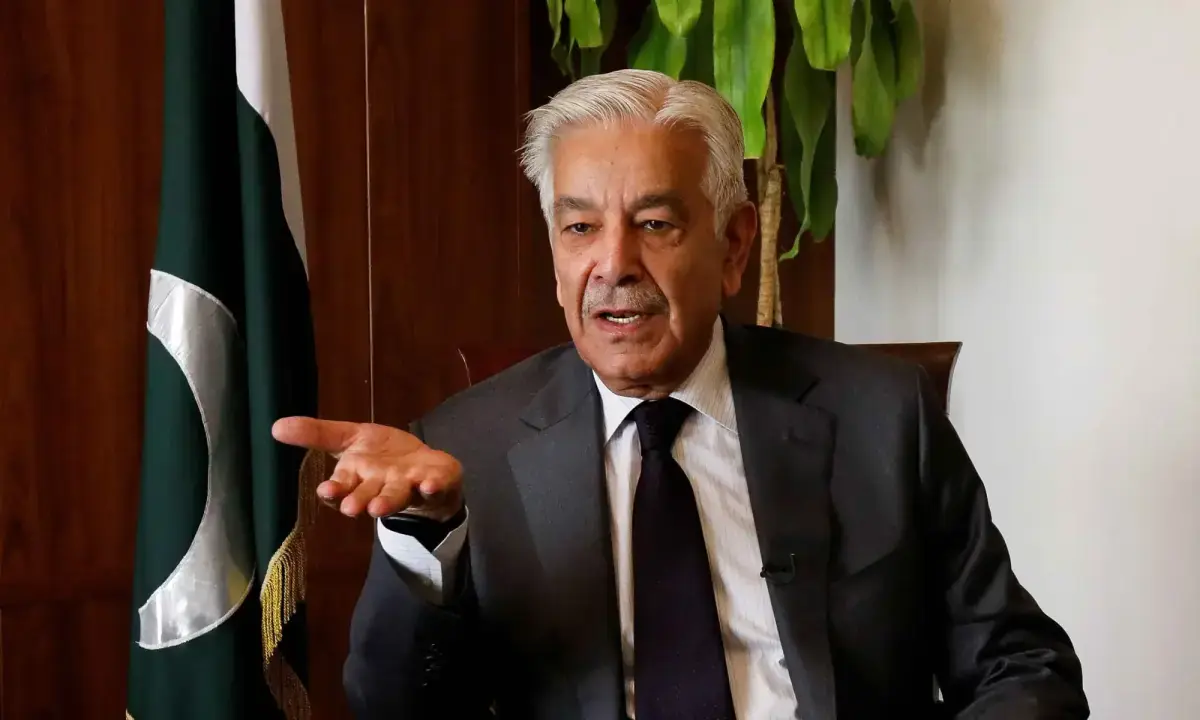
ISLAMABAD: Defence Minister Khawaja Muhammad Asif was the most vocal MNA during the second parliamentary year of the 16th National Assembly, speaking for five hours and 59 minutes — the highest cumulative speaking time in the House, according to Pakistan Institute of Legislative Development and Transparency (Pildat).
In terms of individual participation, according to a Pildat survey, Mr Asif was followed by Omar Ayub Khan (five hours, six minutes), Bilawal Bhutto-Zardari (four hours, 52 minutes), Dr Tariq Fazal Chaudhry (four hours, 20 minutes) and Barrister Gohar Khan (three hours, 20 minutes).
The five most vocal members together accounted for a significant share of the total debate time, indicating that parliamentary discussion remained concentrated among a limited group of legislators.

The lower house of parliament recorded the highest legislative output among recent assemblies, but it continued to demonstrate structural weaknesses in attendance, agenda management, executive engagement and deliberative scrutiny.

Pildat noted that the heightened pace of legislation, particularly on constitutionally significant matters, often unfolded within compressed timeframes, limiting opportunities for sustained parliamentary debate and committee review.
The second parliamentary year of the 16th National Assembly spanned from March 1, 2025, to Feb 28, 2026. During this period, the assembly met for 84 sittings, compared to 93 in its first year, reflecting a decline of 9.7 per cent. However, total working hours increased to 231, up from 212 in the first year, indicating longer sittings despite fewer working days.

The total annual budget of the National Assembly stood at Rs16,290 million during the second year. The average budget per sitting rose to Rs193.93m, compared to Rs136.96m in the first year.
Legislative productivity intensified during the second year, with 59 bills passed, compared to 47 in the first year — a 25.5pc increase. Compared to the second years of the 12th to 15th assemblies, where the average number of bills passed was 21.75, the 16th National Assembly recorded the highest legislative output among recent assemblies. At the same time, reliance on ordinances declined to eight, down from 16 in the first year, indicating relatively reduced executive-driven legislation.
Among the most consequential legislative developments was the passage of the 27th Constitution Amendment, which introduced structural changes affecting judicial appointments and institutional balance.
The year also saw the passage of the Elections (Amendment) Bill, 2026, which restricted public access to legislators’ asset declarations by granting discretionary authority to withhold such information on security grounds. The speed with which several major laws were processed raised concerns about limited committee scrutiny and constrained clause-by-clause deliberation.
During the second year, 47.59pc of the scheduled daily agenda items were left over, only marginally improved from 49.18pc in the first year. Still, nearly half of planned parliamentary business remained incomplete.
Attendance trends reflected declining member engagement. Average attendance of MNAs fell to 58.80pc, compared to 66.29pc in the first year. Quorum was pointed out 19 times, and eight sittings had to be adjourned due to a lack of quorum.
Prime Minister Shehbaz Sharif attended six out of 84 sittings, recording an attendance rate of approximately 7pc.
The second year also witnessed a prolonged vacancy in the office of the opposition leader following the disqualification of Omar Ayub on Aug 5, 2025. The position remained vacant until Jan 16, 2026. This institutional vacuum further reduced the scope for structured government-opposition engagement at a time when consensus-building was particularly needed.
Notably, the National Assembly demonstrated the capacity for bipartisan consensus on matters of national security, adopting a unanimous resolution in May 2025 during heightened tensions with India, affirming Pakistan’s sovereignty and territorial integrity.
Published in Dawn, March 4th, 2026


