


TL;DR
Pros:
– Small army of sparkling, incredible voice actors
– Deeply funny, genre-savvy writing
– A ton of creative, gorgeous character sprites

– Loveable characters that are all unique and memorable
Cons:
– Gameplay loop can get really boring

– Points mechanism forces you to treat characters like collectable cards
– Dialogue sharply stagnates once you declare a relationship status
Score: 4/7 – Lighthearted and fun, but just a bit too vast to do justice to its characters
Reviewed on PC (Windows); available on PC (Steam), PlayStation 5, Nintendo Switch, and Xbox Series X/S.
Price: $19.99* (Steam), $29.99 (PlayStation, Xbox, Nintendo Switch)*
I’ve always enjoyed a good old-fashioned dating sim. But Sassy Chap Games’ Date Everything!, published by Team17, is certainly not old-fashioned. How many dating sims feature 100 or more characters you can romance simultaneously? And how many where those characters are literally your household furnishings?
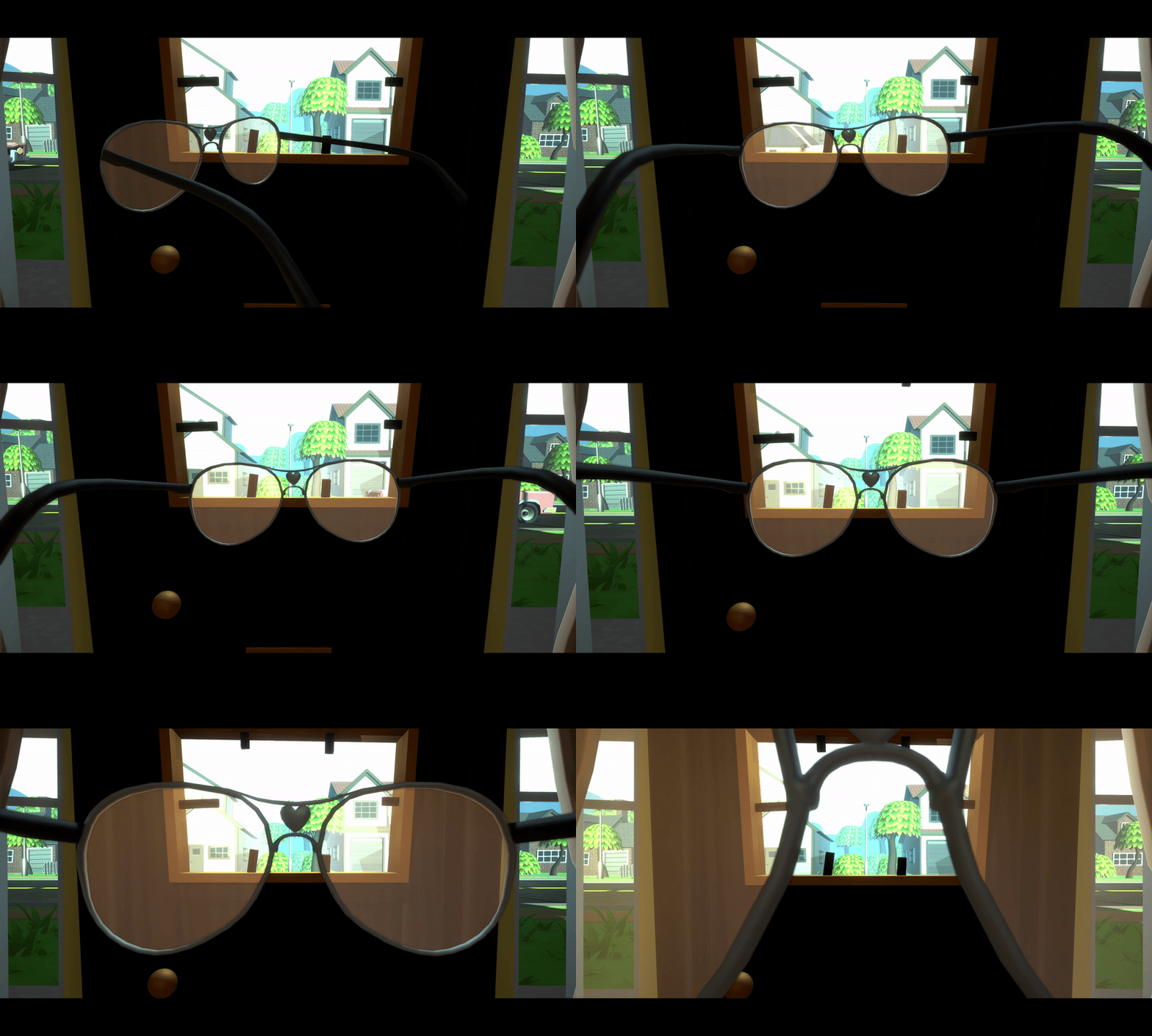
None, and the developers know that – which is why it’s fine that that’s basically their entire premise. With a pair of mysterious glasses called “Dateviators”, you can see and talk to a truly huge number of household objects given human form, finding love, friendship or mutual hate with every one of them – and gaining stats to become slightly more charismatic with all the practice. It’s a zany, ambitious premise that knows it’s zany and ambitious, and it’s so unapologetic about it that I can’t help but enjoy myself.
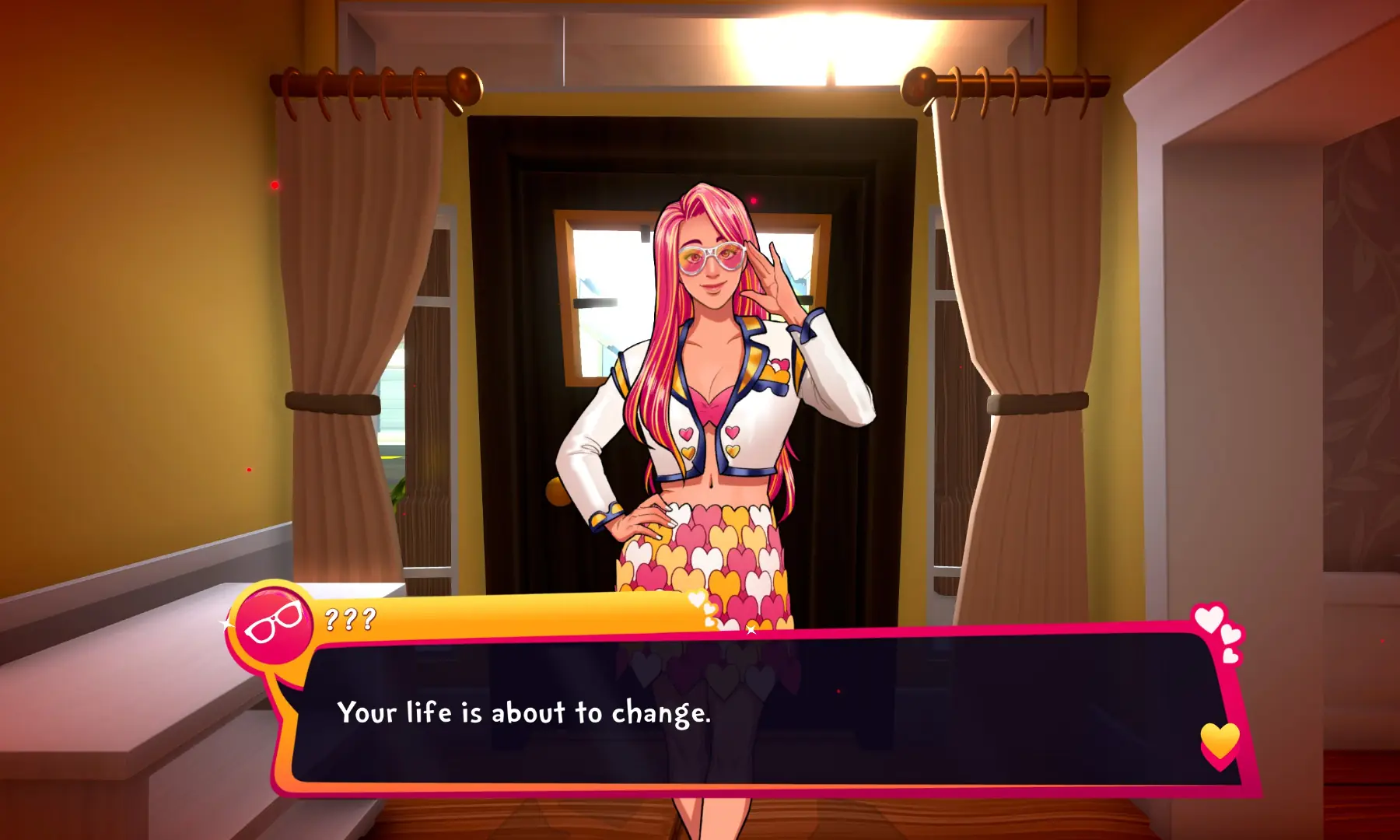
But as we all know, it’s not the size of your cast that matters, but how you use it. So, here’s how Date Everything measures up when it comes to actually being a good game.
Be warned: this game is rated 17+ for a reason. There’s no explicit content, but it’s raunchy.
‘Gameplay’ loop to rival 2020
The way the game works is simple enough. Walk around. Shoot beams at things through your glasses to bring out their human form. Talk to them, learn about them, do stuff for them when asked, and eventually address how you two feel about each other – good, great or terrible.



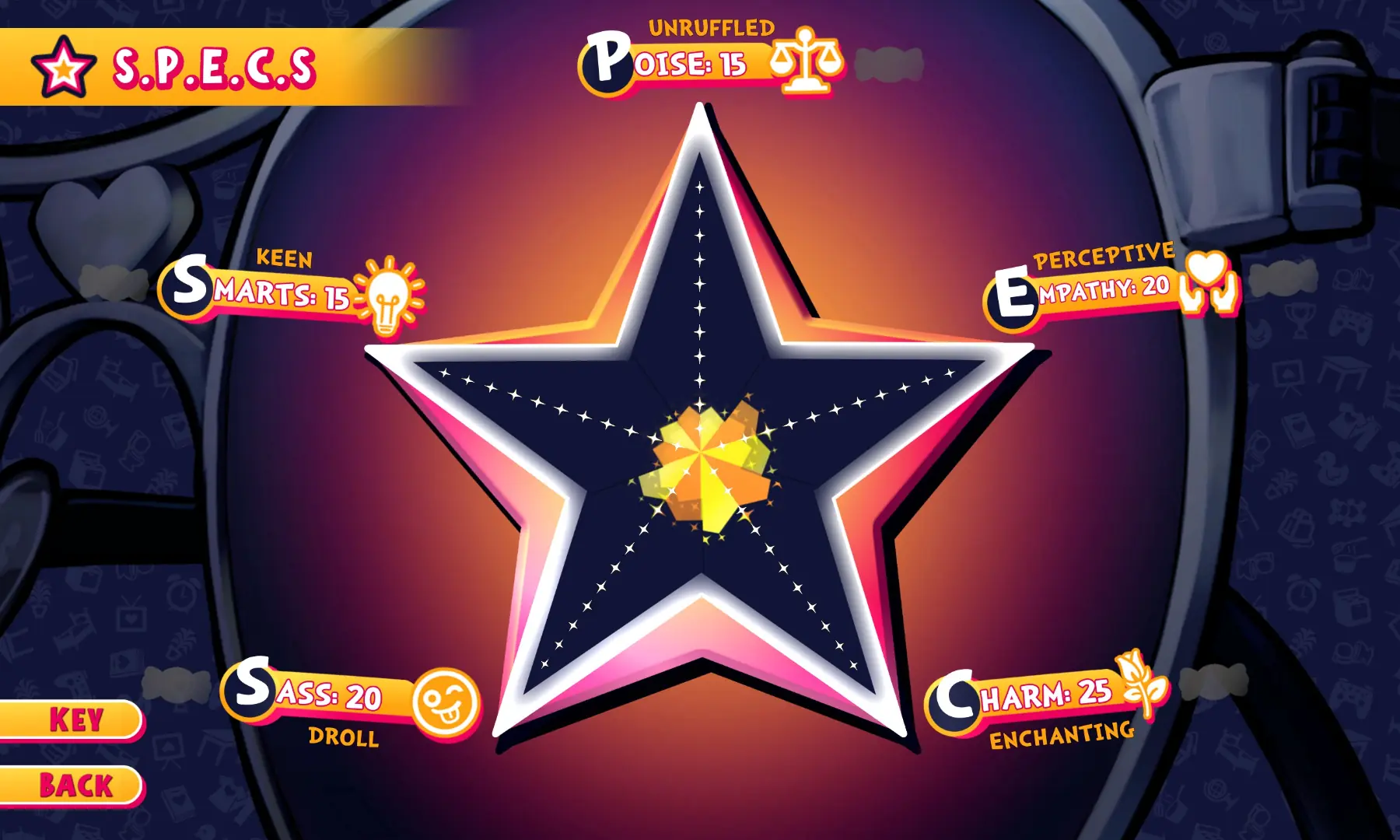
Achieving a relationship status with a character – even a negative one – gives you points in one of five stats: Smarts, Poise, Empathy, Charm or Sass (SPECS). Climbing high enough in a stat can unlock some new dialogue options, among other things down the line.
Gameplay-wise, though, there’s not much more to it. You’re mainly wandering through a big house, checking your phone and talking to your furniture. With basically nothing else to do, the supposed “gameplay” loop becomes mundane and repetitive very quickly.
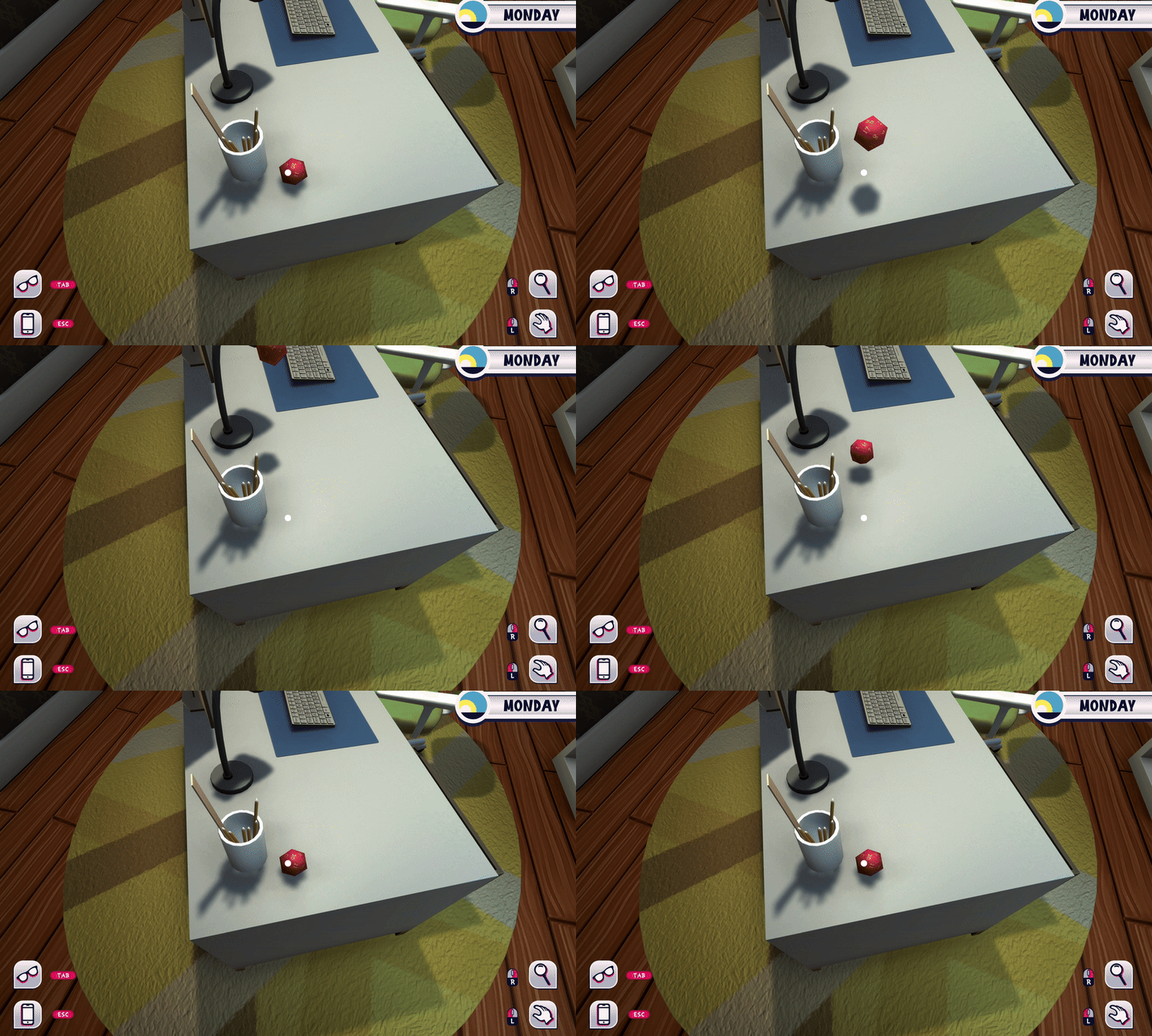
There’s only so much the side quests and story-progressing messages from the outside world can do to help, and you can’t leave your house for a while – which makes the whole experience feel a little like a Covid lockdown. I try not to think about that.
But the only real point of the game is to give you a sandbox to talk to fun gijinkas (anthropomorphised sprites) of your sofa, books, clothes hangers and suchlike. And boy, do the gijinkas deliver.
Fantastic, creative characters and visual concepts
The sprite art for this game, if you haven’t noticed already, is incredible. Regardless of one’s personal gender preferences, there’s incredible creativity poured into each and every character’s design, in a way that keeps you hunting down “dateables” if only to see more great art.
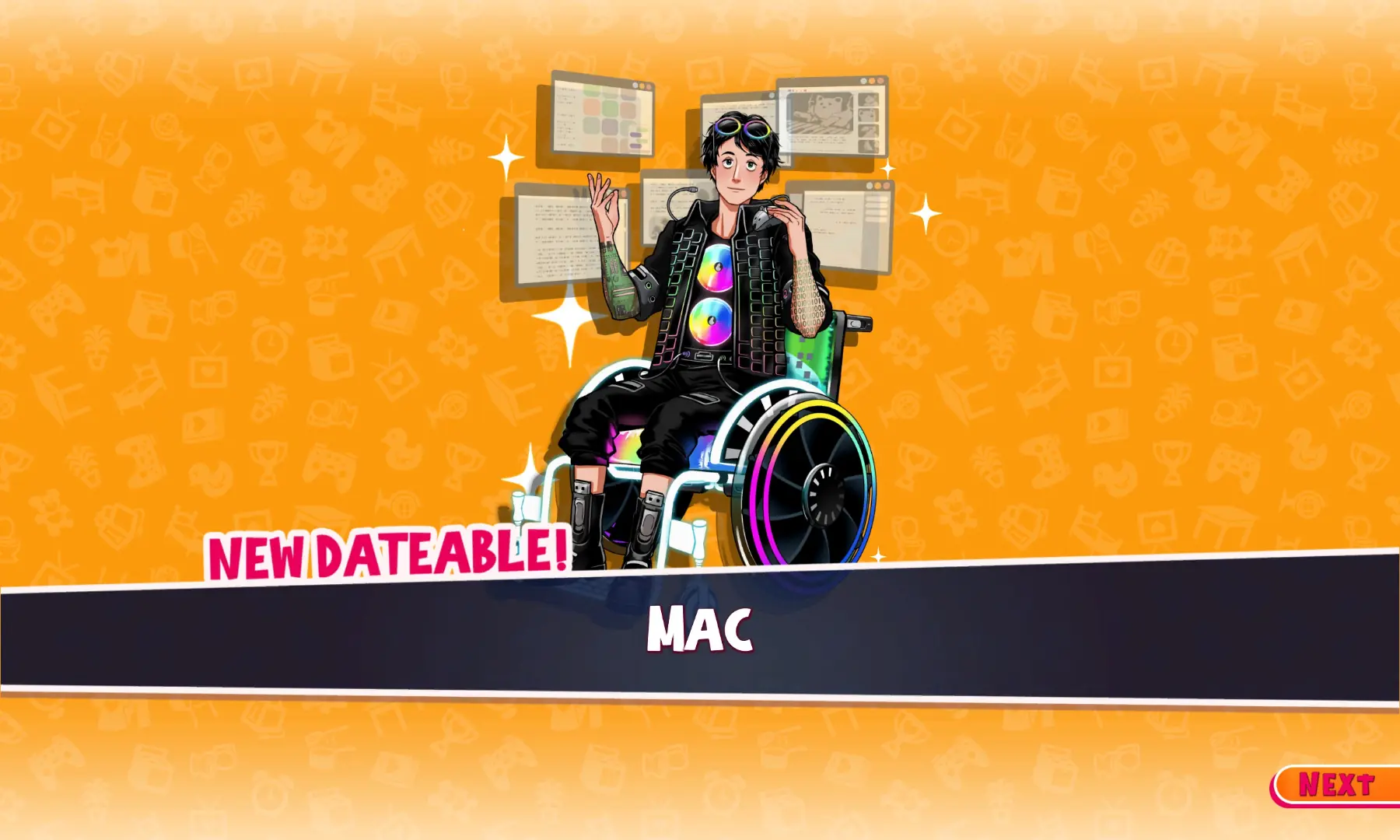
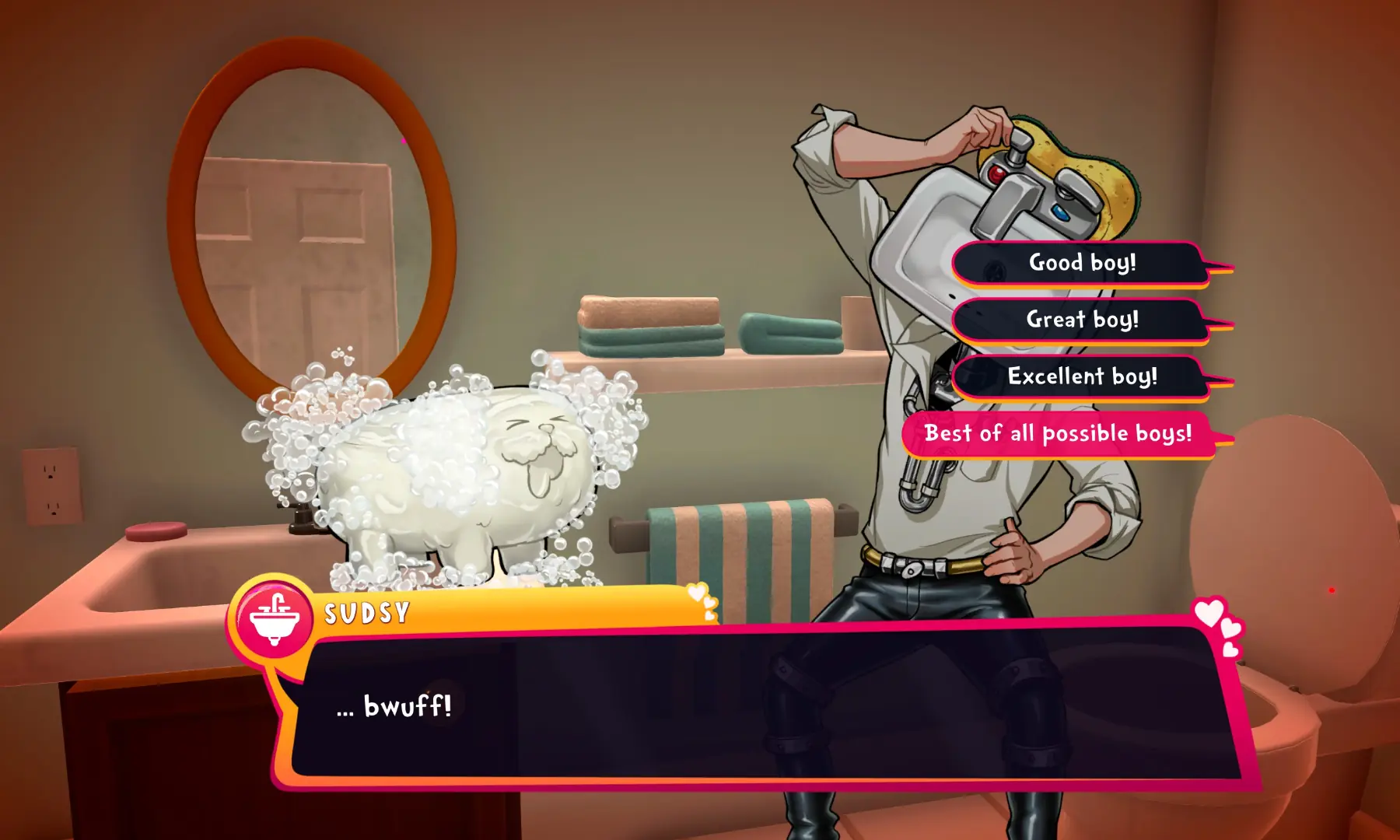
Plus, the characters themselves are all extremely unique in personality, and make it known immediately.
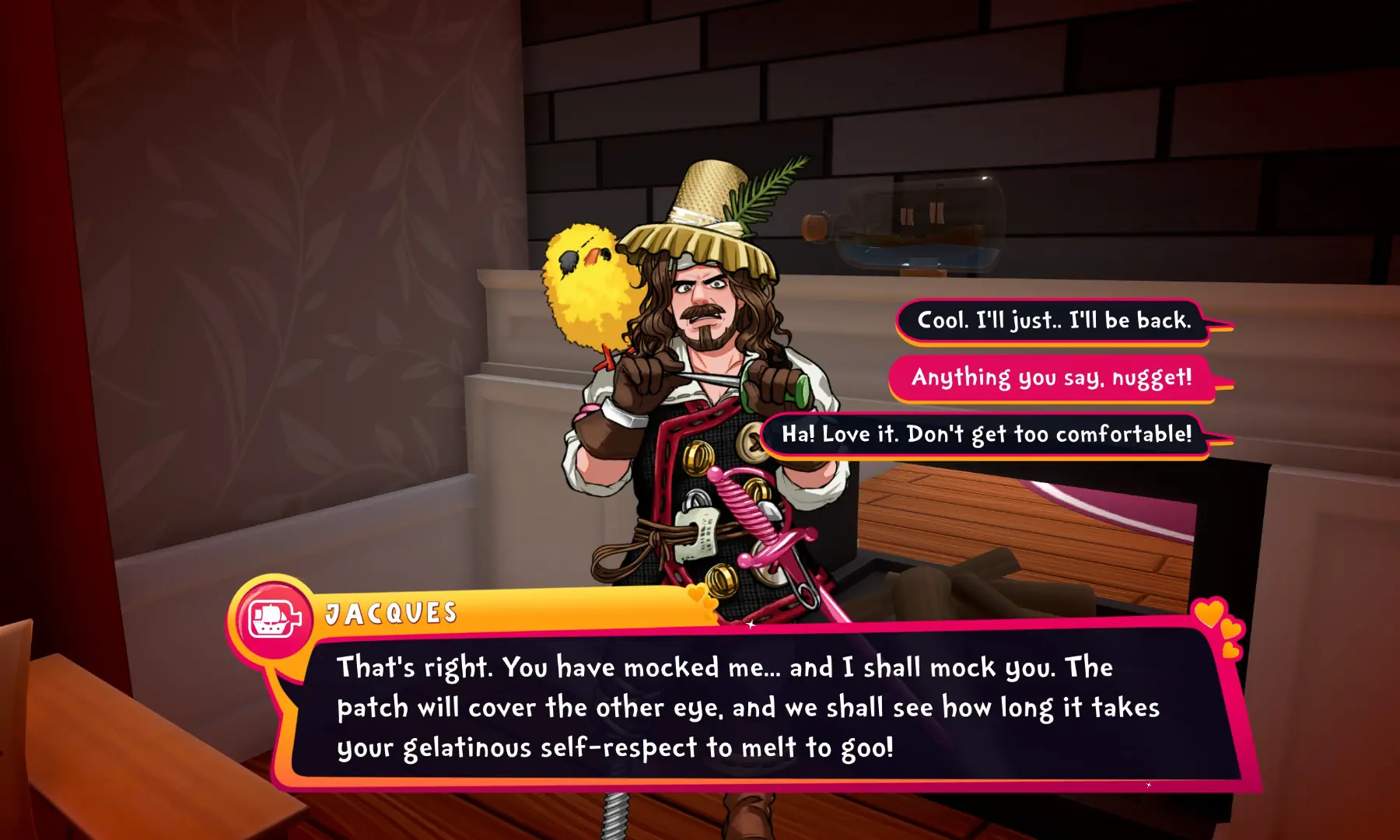
There’s no gatekeeping by gender, but you don’t have to romance anyone you don’t want to. And, if any character’s behaviour or theming makes you personally uncomfortable, you can enable the “Content Aware” mode, which warns you of potential triggers and gives you the option to skip them entirely. Players are never forced into dealing with any subject matter that upsets them.
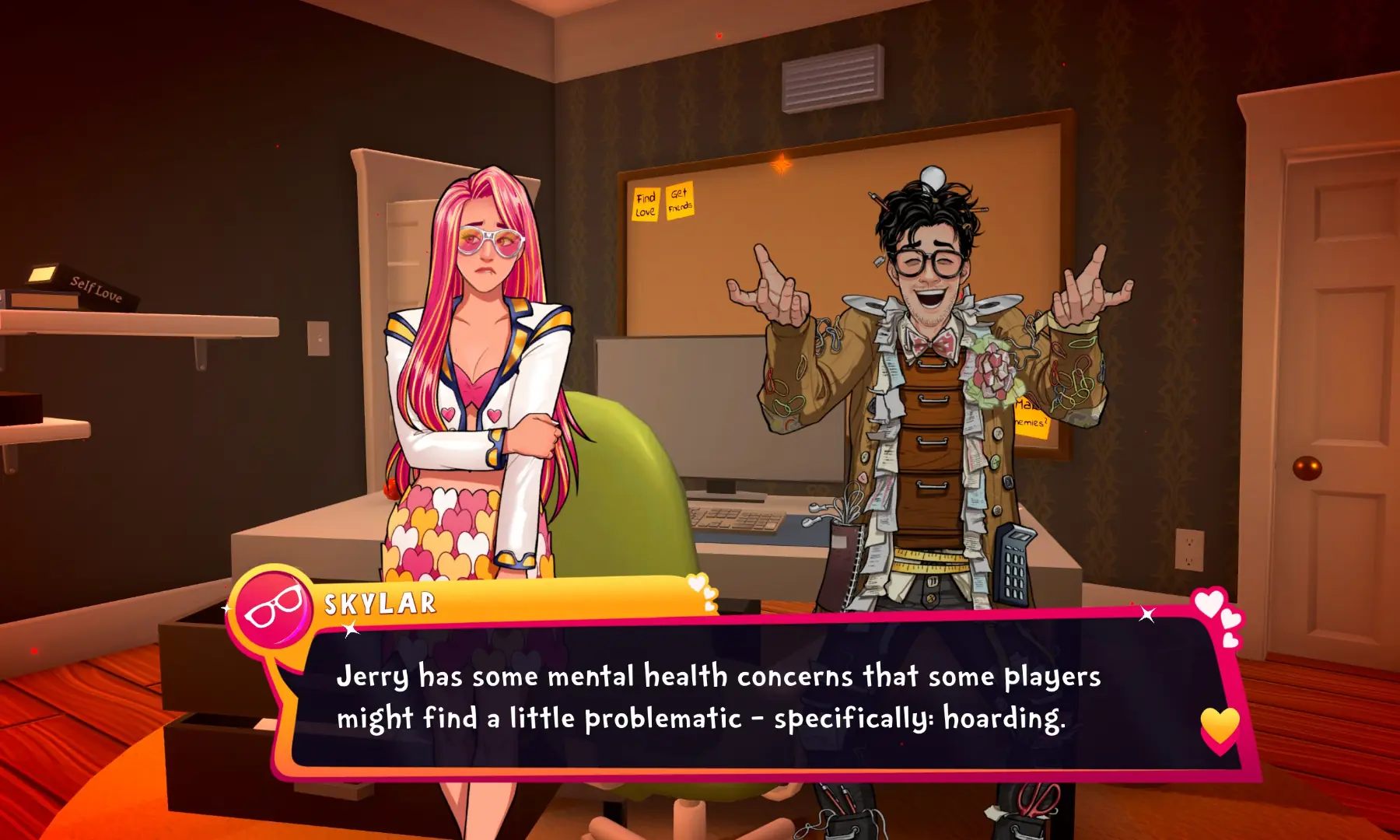
One of the other great strengths of this game, to me, is that you’re not the most important thing in the dateables’ lives. They’re not statically frozen in place, waiting for you; they have their own rich friendships and relationship dynamics with each other. Most of the appeal for me is untangling the messy interpersonal drama in my laundry room, looking for my blanket’s missing tassel hound (read: dog) and solving mysteries alongside my magnifying glass.

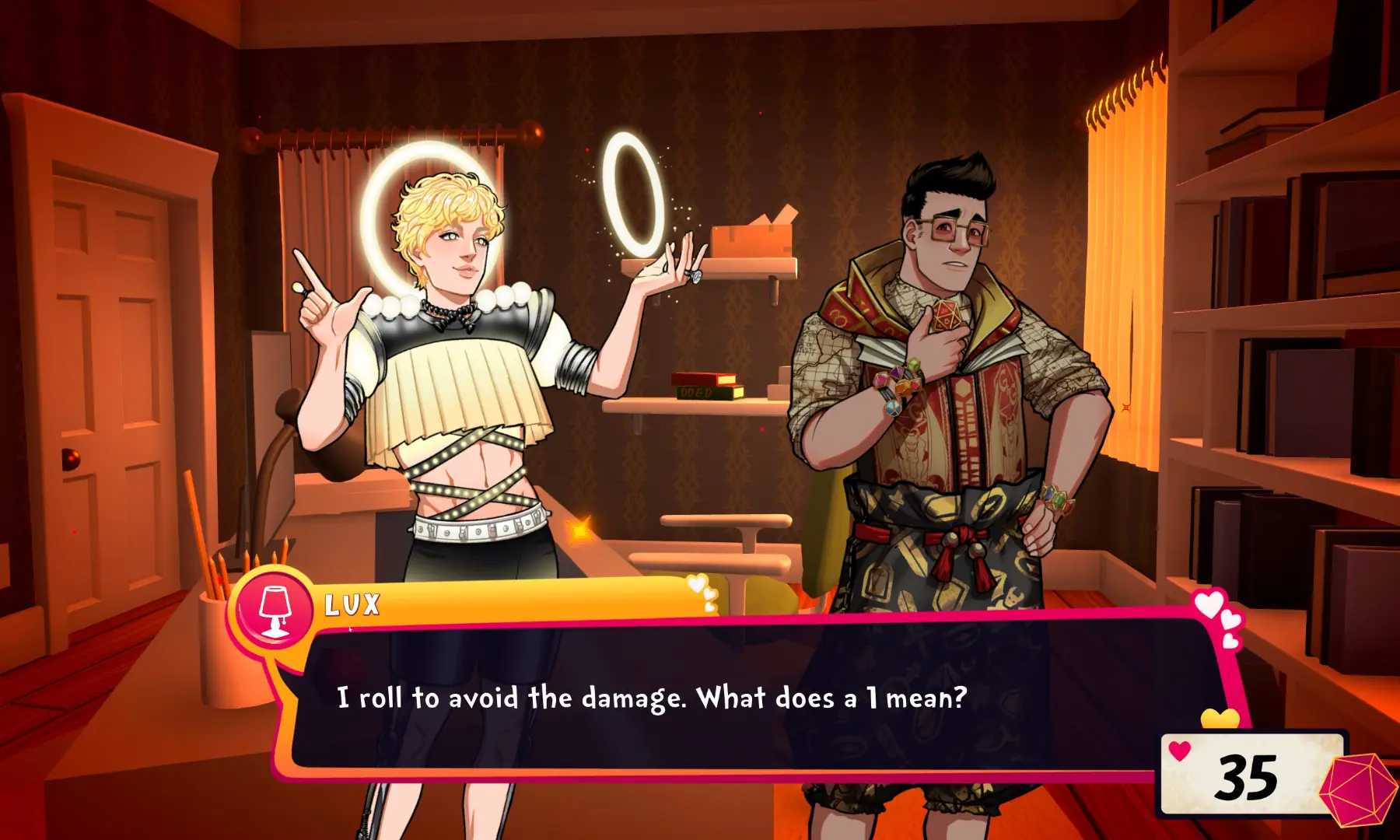
Every character is a memorable personality, which is seriously hard to pull off with 100 characters – so major props to the writers for managing it.
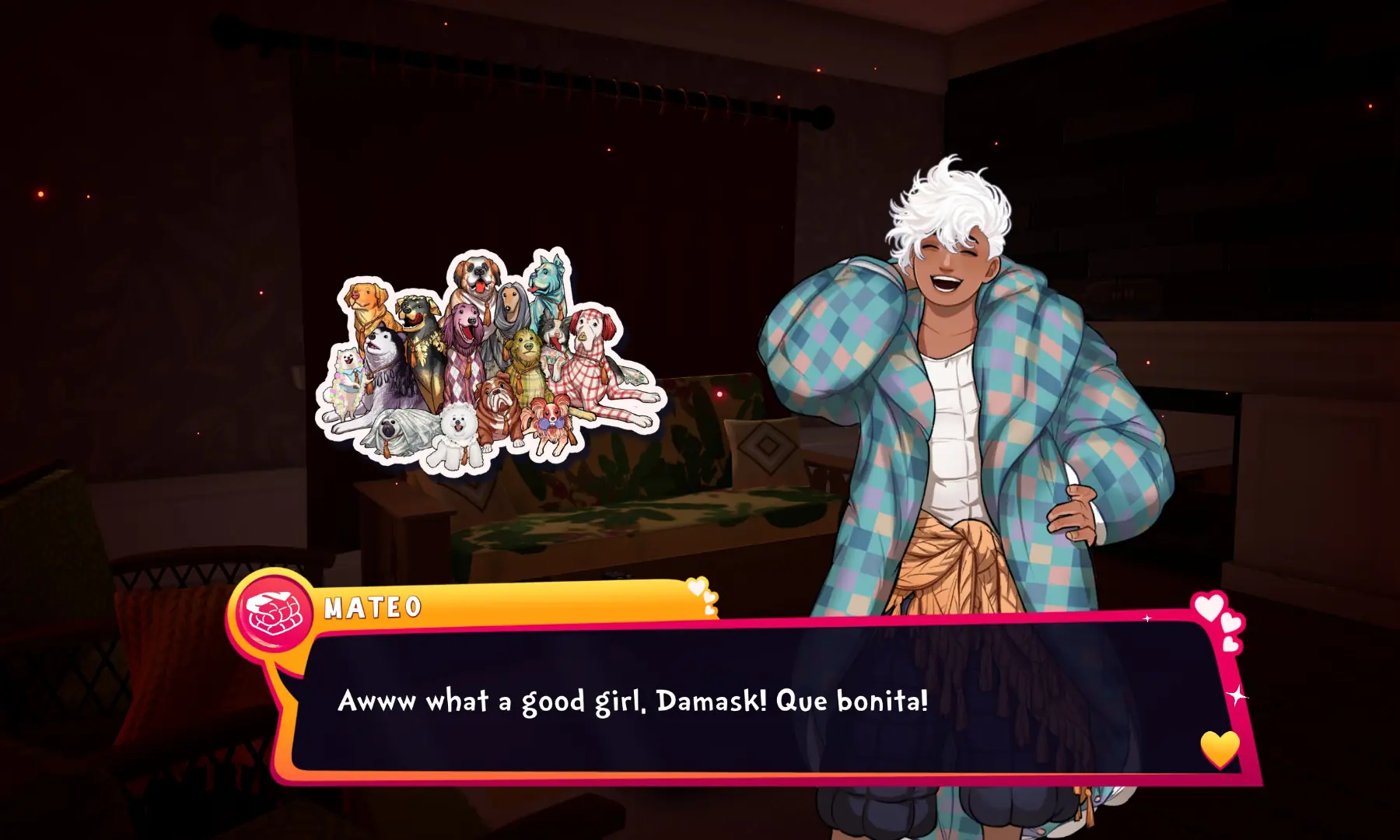
Funny, smart writing with a voice cast of champions
Going in without expecting much, I was smacked in the face by how funny this game is from the very start. The writing absolutely glows with terminally online, genre-savvy humour that keeps its finger firmly on the pulse of modern culture, and is constantly making me laugh out loud. Even the flavour text pulls zero punches.
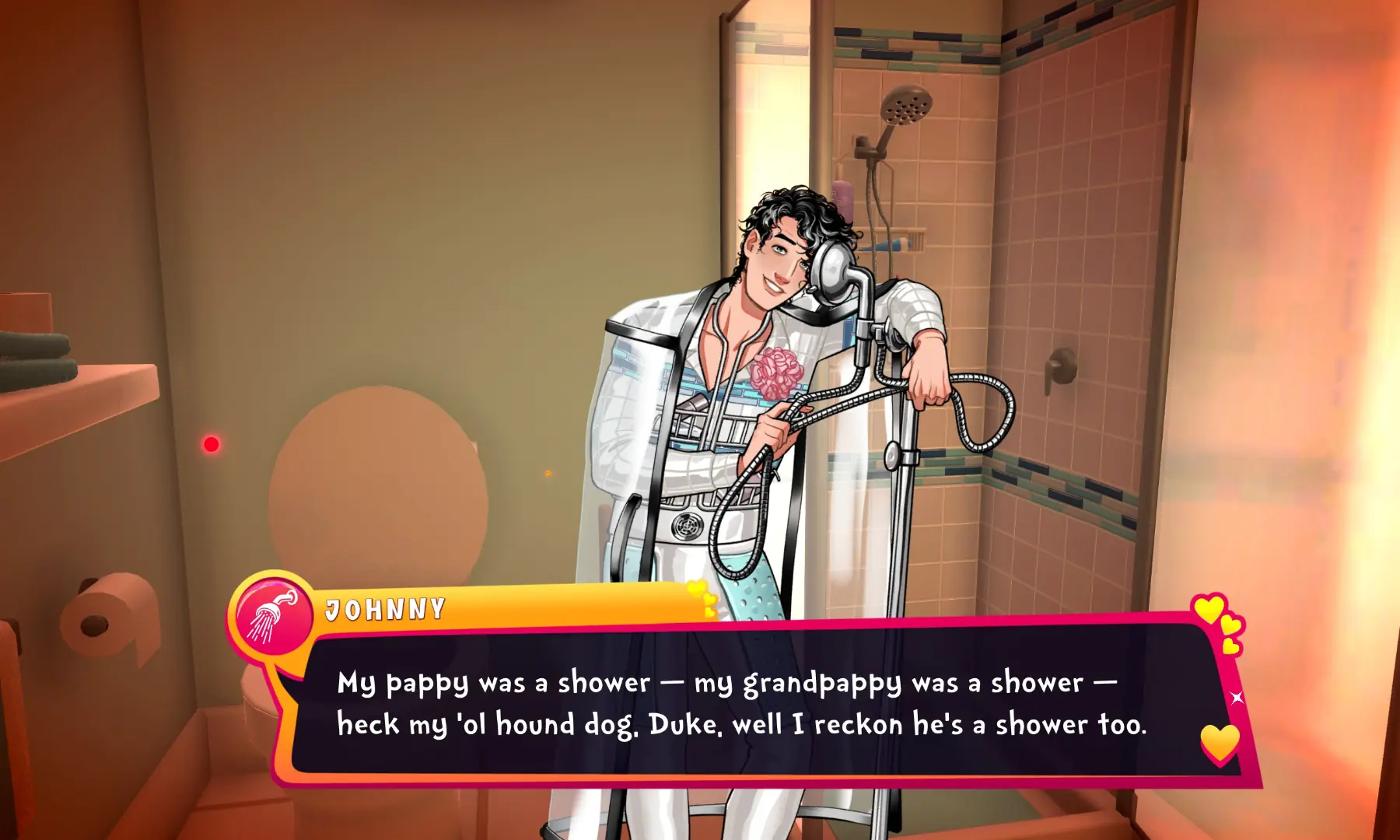
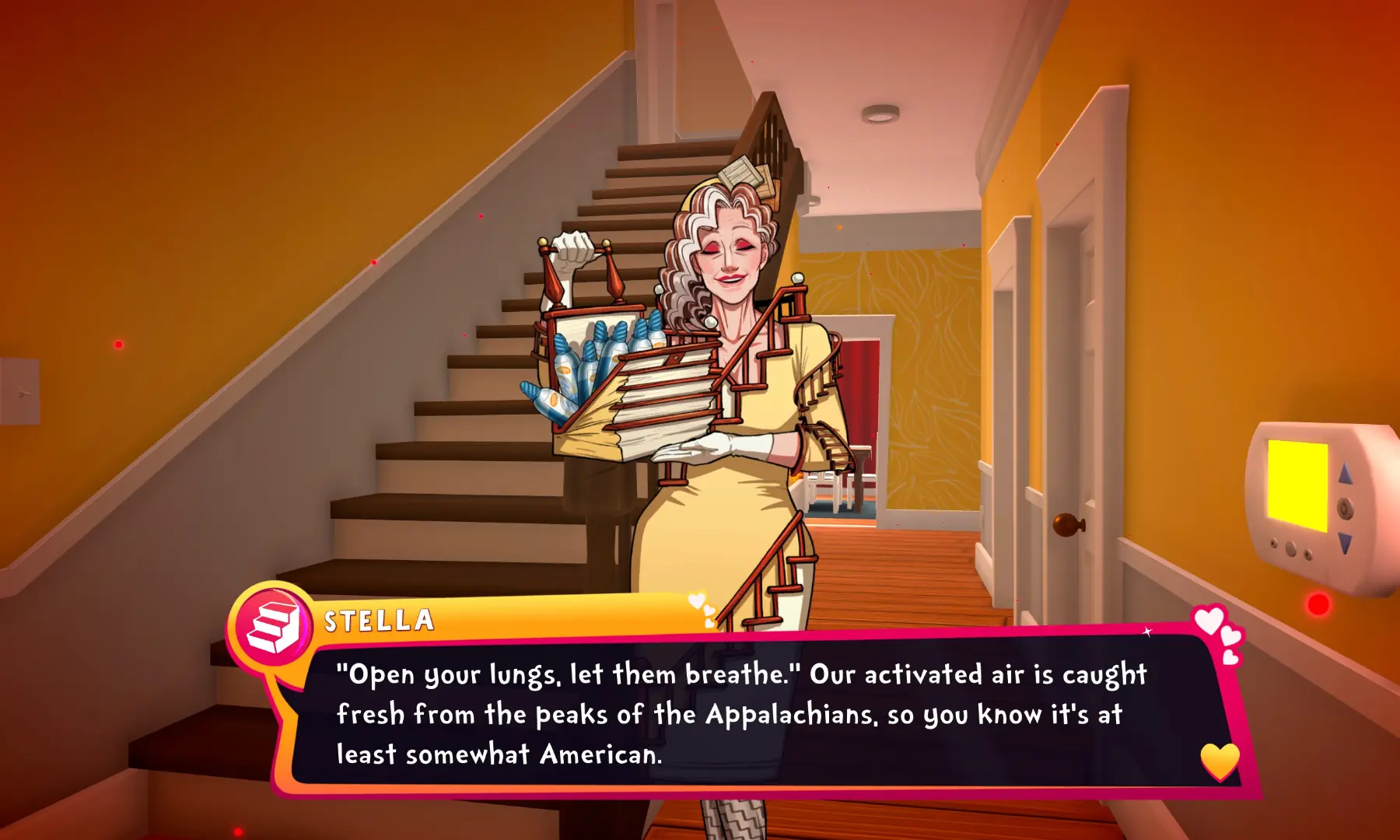
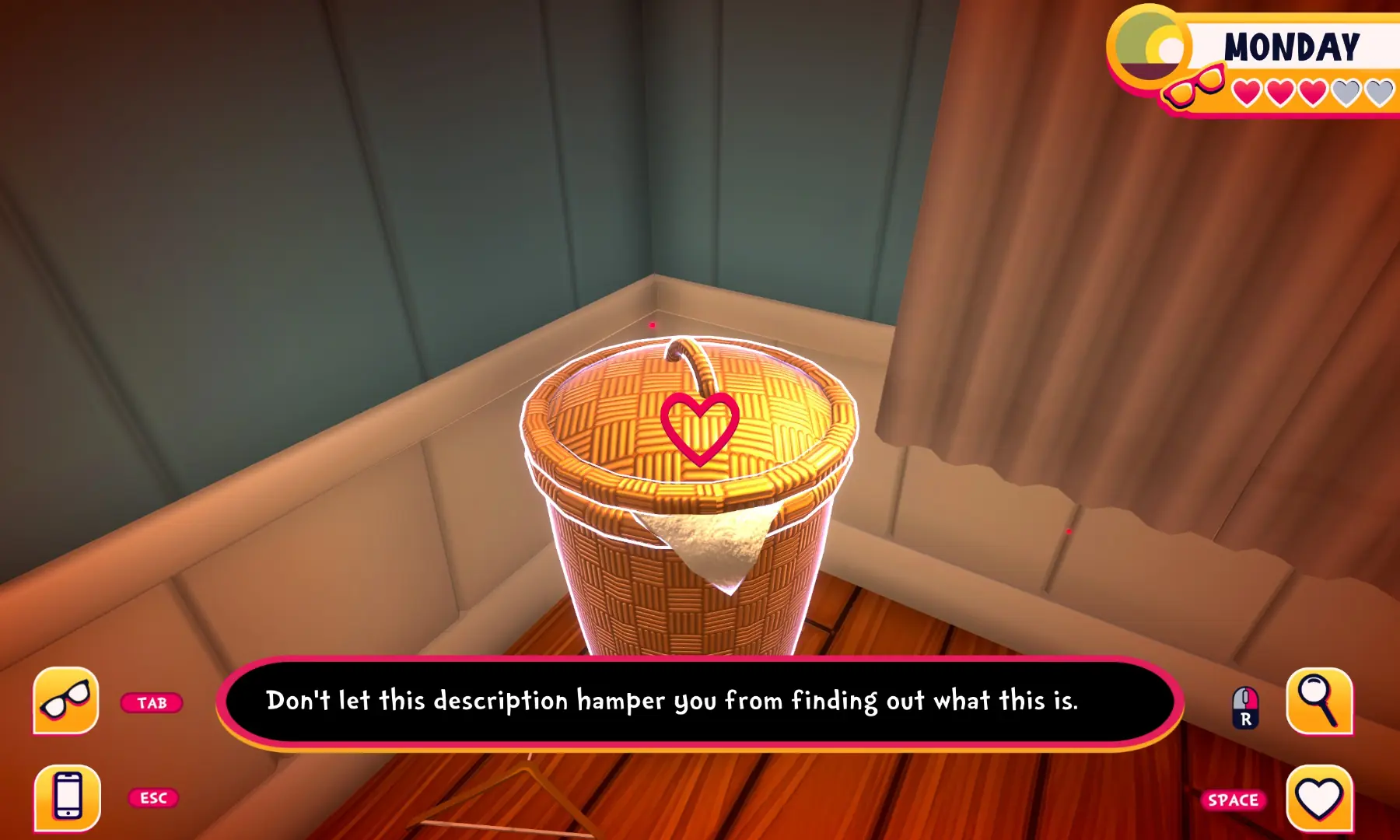
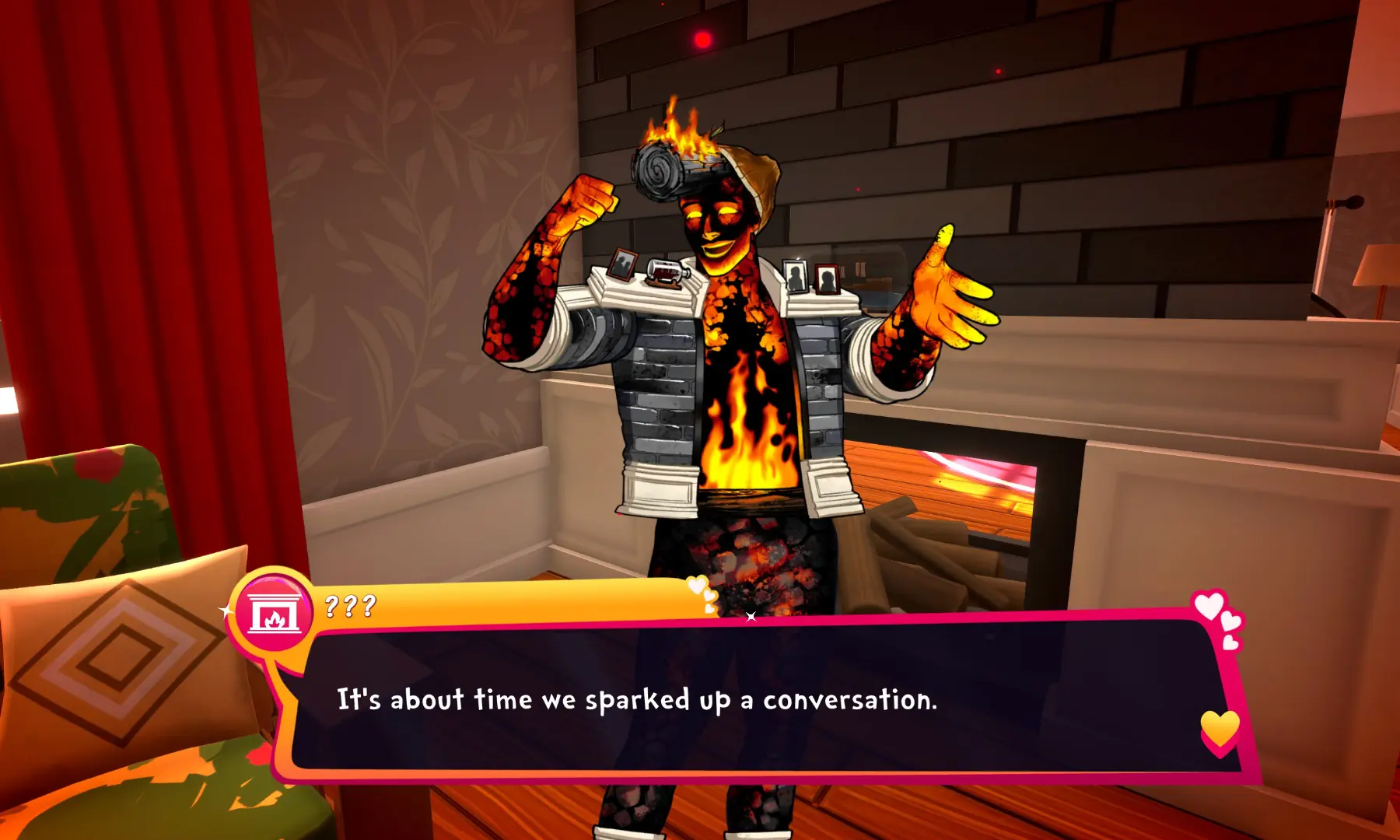
And the voice acting! It’s honestly the main draw of this game. The cast list is stacked with modern-day greats of the voiceover industry, including Matt Mercer of Critical Role fame, Neil Newbon from Baldur’s Gate 3, Sungwon Cho (ProZD) from YouTube, and Prince Zuko himself, Dante Basco.
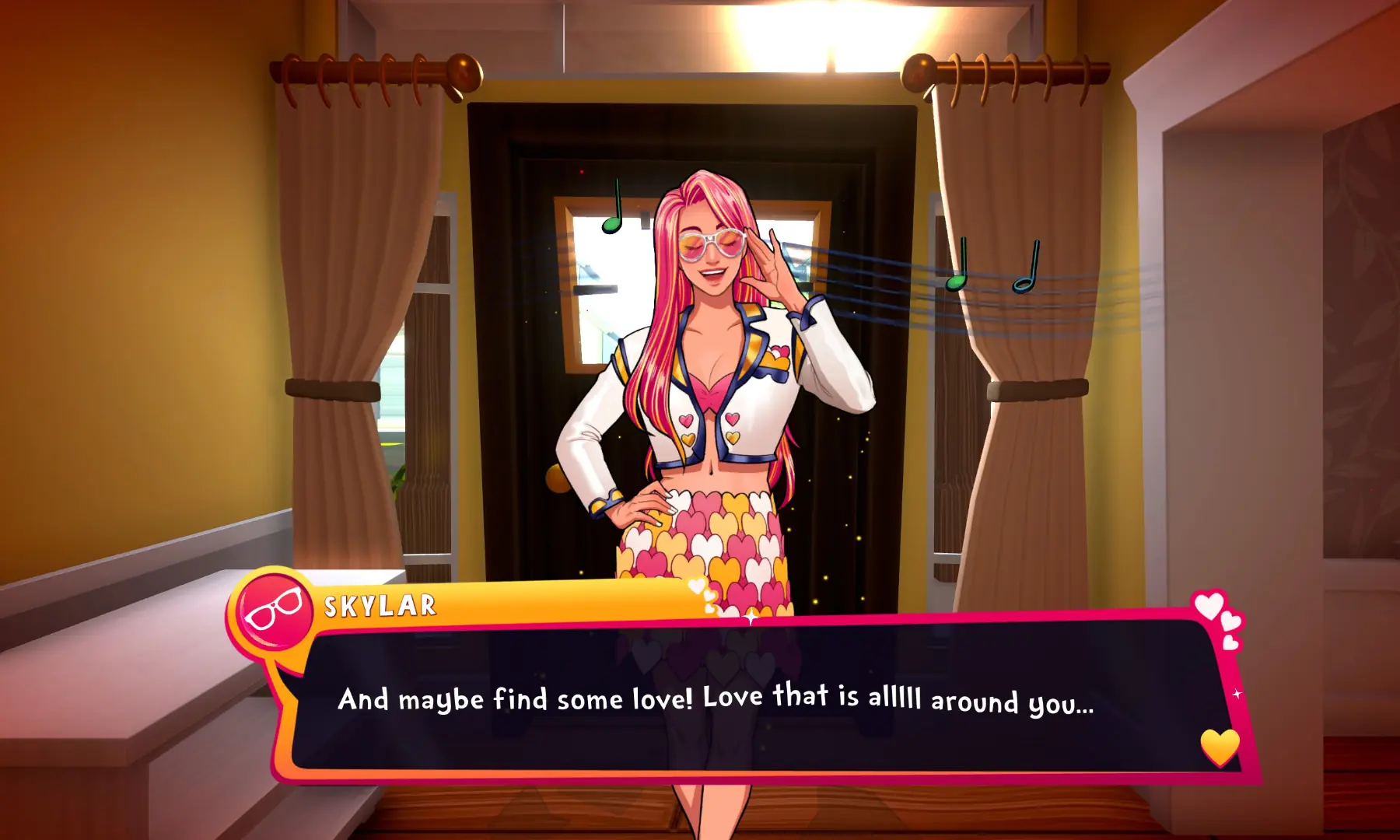
Felicia Day’s Skylar Specs is an especially standout performance. Peppy and bright, she guides you through the game with a wholeheartedly earnest, quirky charm that breathes oodles of life into every single word. You’ll see for yourself within five minutes of playing.
This game commits to being silly before anything else and I love that about it. It doesn’t take itself too seriously and allows its stellar cast to elevate its aggressively witty script. One thing you cannot say it lacks is a bold, cheeky voice.
Gotta catch ’em all…
However.
I went into this game with one main question: does the game’s ambitious scale take it away from the essence of the dating sim it wants to be? The short answer is, regrettably, yes.
That’s not to say it’s a bad game at all. And far be it from me to play a game with the premise “lots of characters”, then complain about too many characters. But Date Everything relies quite heavily on that premise; even its trailers promise nothing but more and more wacky dateables, seemingly predicated on the assumption that with so many of them, you’ll never get bored.
So, what happens when you do get bored? Well, around that point, the game starts insinuating that you can leave…
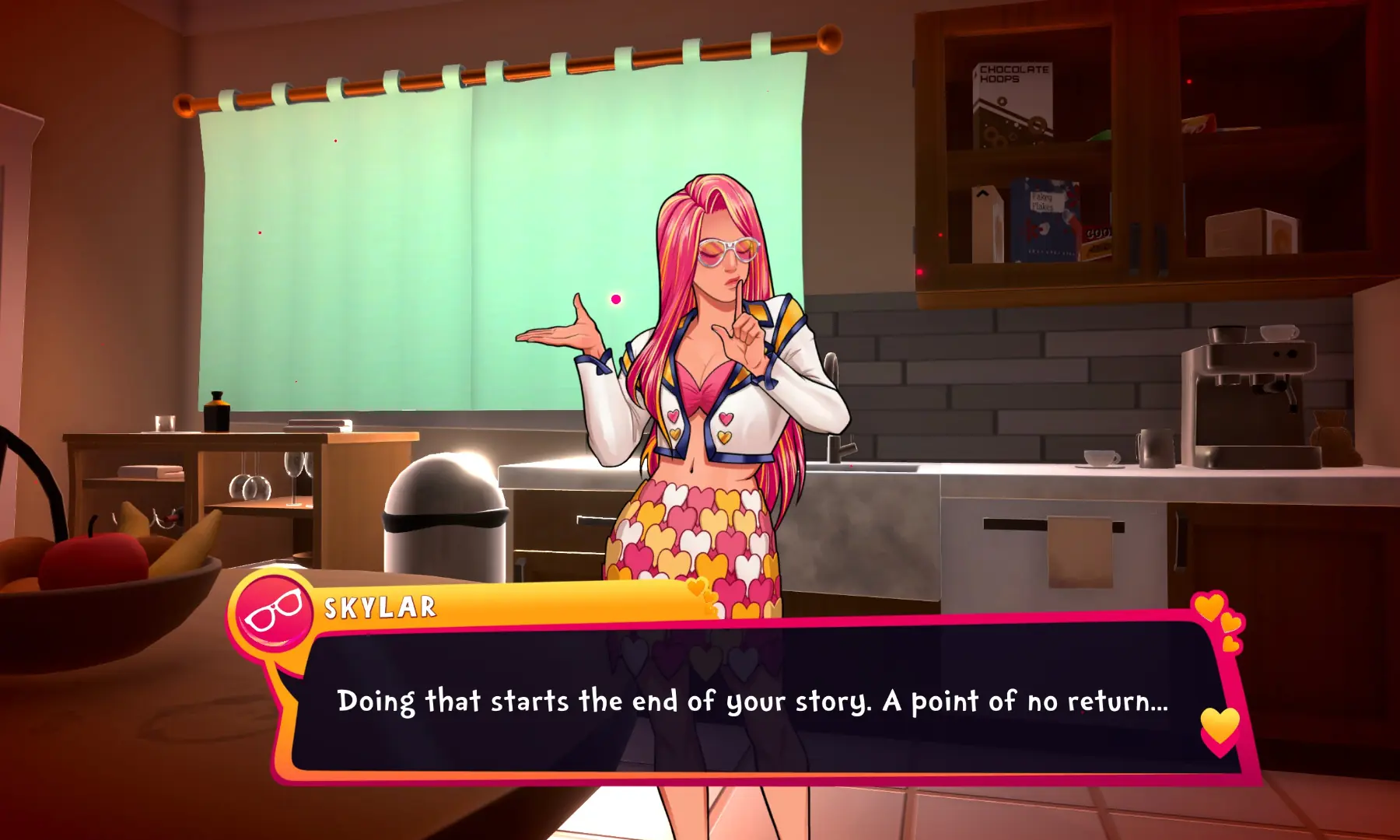
…But not if you want a fulfilling ending. For that, you have to get at least a certain number of SPECS points, that too of one type, and only certain characters will grant you that type of point, and only once, so you have to find more characters that’ll give you the same type of points and … you get the idea.
I’m a chronic completionist and love games that reward your investment. But this is different. Firstly, and crucially, not being able or willing to dedicate that much energy to the game shouldn’t preclude you from any fulfilling ending at all. This feels less like rewarding extra attention, and more like punishing a lack of time or patience.
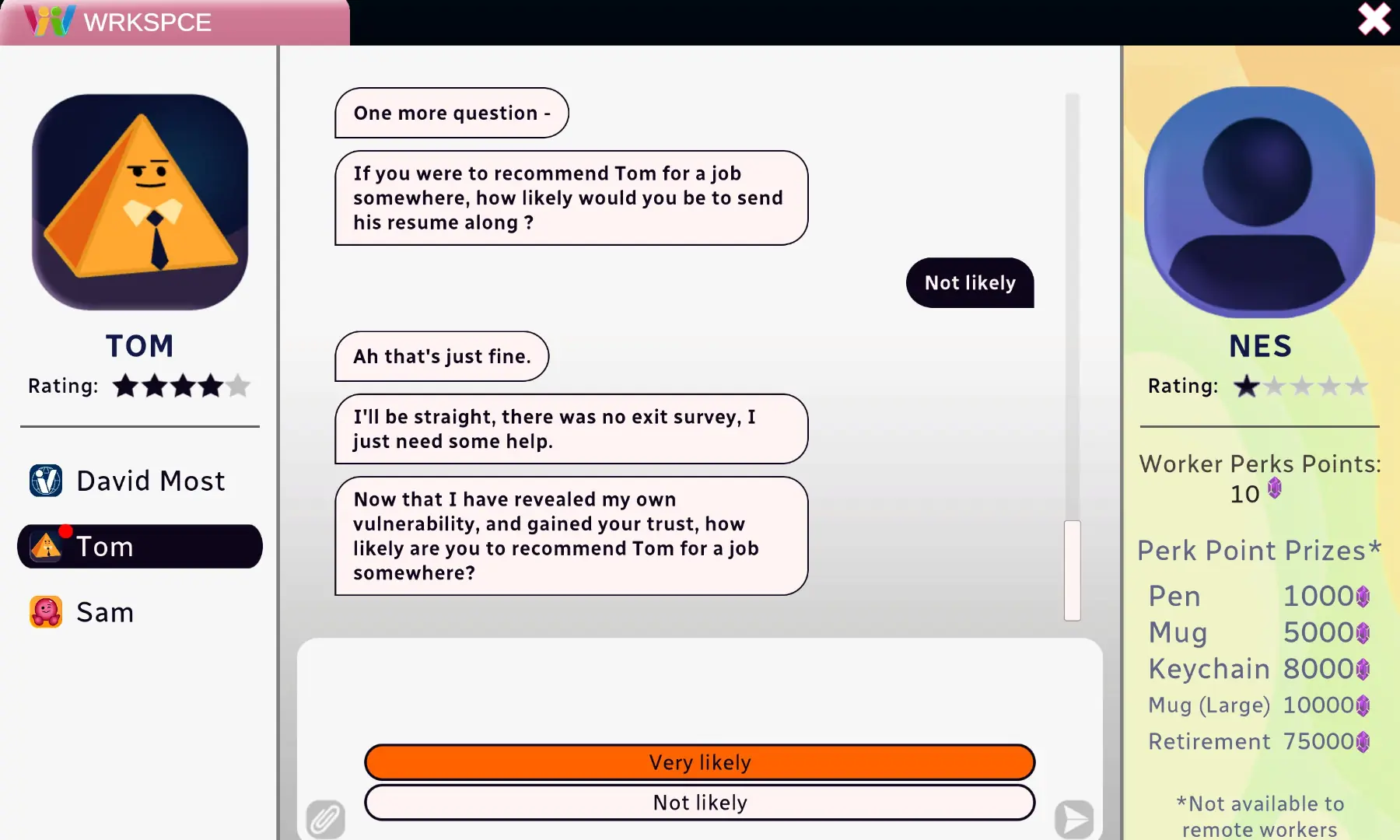
Secondly, this choice undermines the game’s sandbox element of spending time with whoever you want. Your beloved date-ables are suddenly a resource to mine for “satisfying ending” points: once you’ve got what you need, you have to move on to others, whether you care much about them or not. Rather than a dating sim, you are now playing Gijinka Pokémon: you gotta catch ’em all. There’s even a dex.
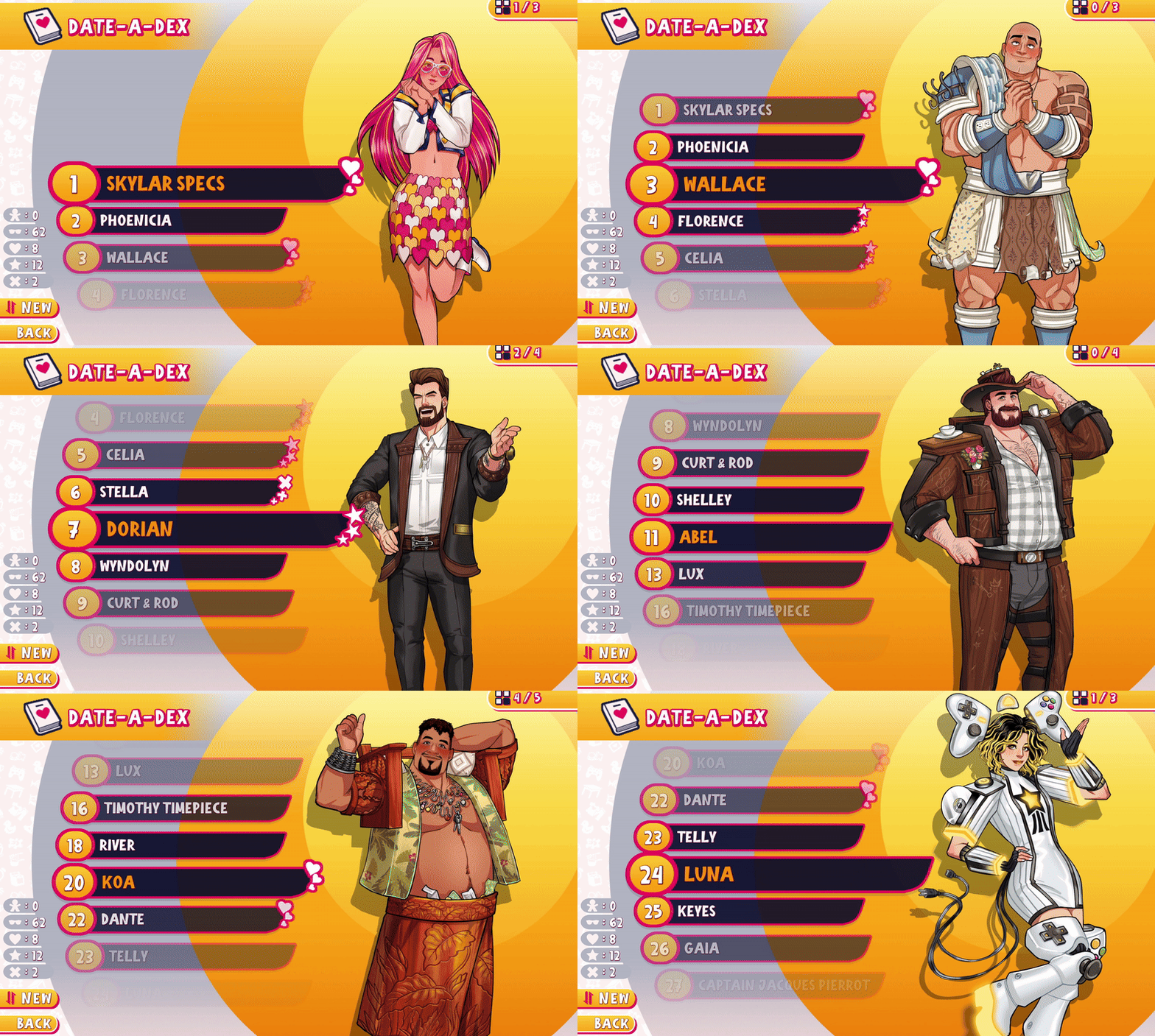
Even more tragically, however interesting and rich the characters are as you get to know them, they stagnate the minute you’ve achieved a relationship status, rolling out the same stock conversations thereafter. That just further reinforces the notion of characters as collectables. Although the game boasts an impressive size of cast, in practice, it turns out rather wide and lacking depth.
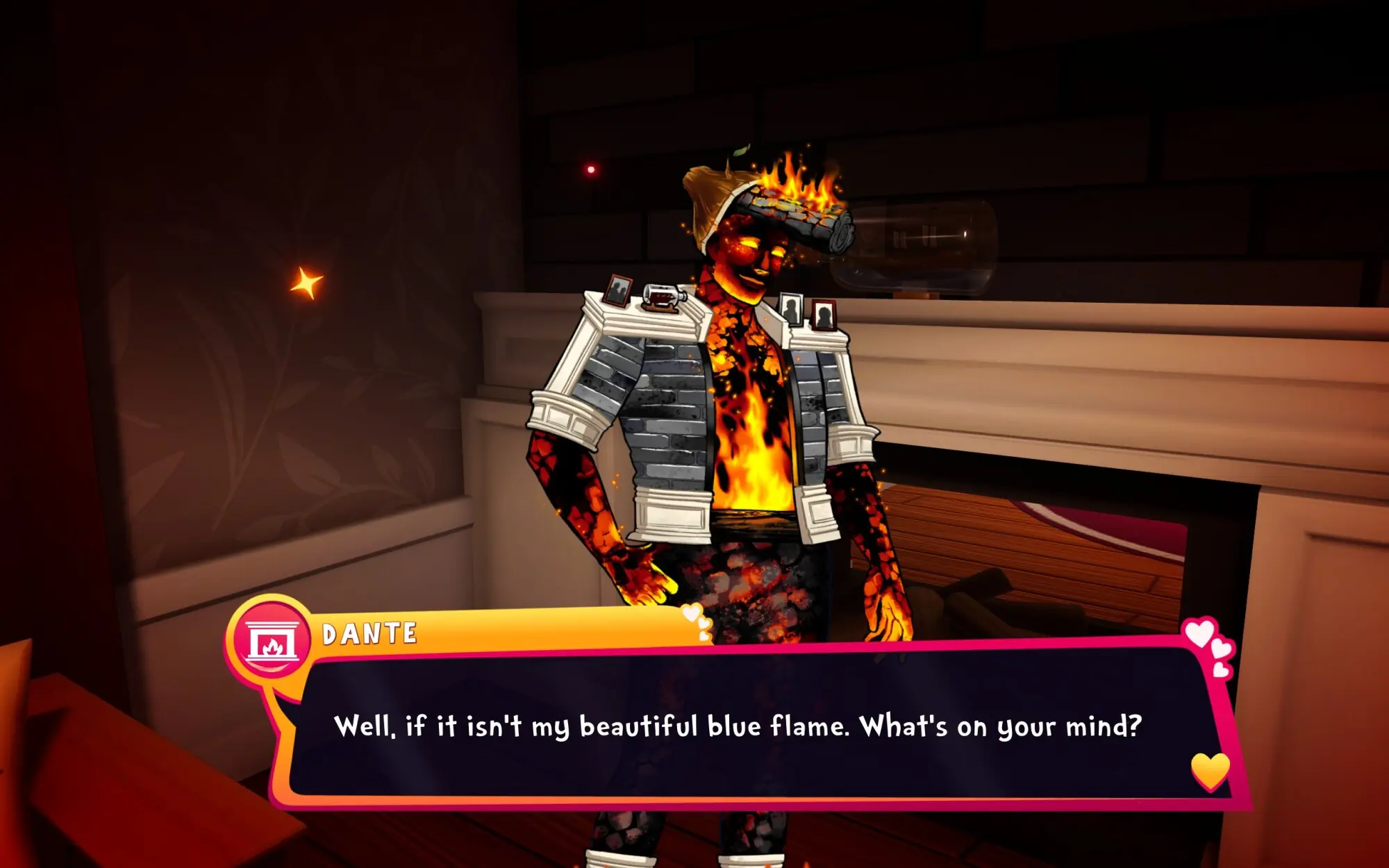
That was the expected outcome of a premise this ambitious, and I’m glad I went in prepared. But the game could really benefit from less throwing of extra DLC characters at the player, and more attention paid to the literal 100 loveable and interesting characters it already has.
Verdict: A great, funny art book
So, should you play Date Everything? Sure, but know what to expect. This is more of a silly, witty, interactive concept art book than a classic “dating sim”, and while the art and voice acting are phenomenal, the gameplay loop demands a great deal of patience. I’m still having a lot of fun, but I think I’m too employed to go out of my way for the DLC.
I really like it, though. I can see places where players might drop off, but if you’re willing to invest the time and energy in collecting relationships – and accept that there’s not much more to it – I recommend this as an astonishingly well-written, funny, savvy and lighthearted way to pass the time.
Date Everything! is $19.99 on Steam, with the ‘Lavish DLC’ available for $4.49.
.single.story {
background-image: url(‘https://i.dawn.com/large/2026/01/22233741e86e495.gif’);
background-repeat: repeat-y;
background-attachment: fixed;
background-size: 100vw 100vh;
}
body:not(.newskit) .story { color: #ffffff; }
.story a { color: #ff9d1f !important; }
article.box, .story .template__main { background: #000000; opacity: 0.90; }
article.box { padding: 5px; border: 0; }
.story__time { color: #aaa; }
.story__title, .comments {
background: #000000;
padding: 10px;
}


