


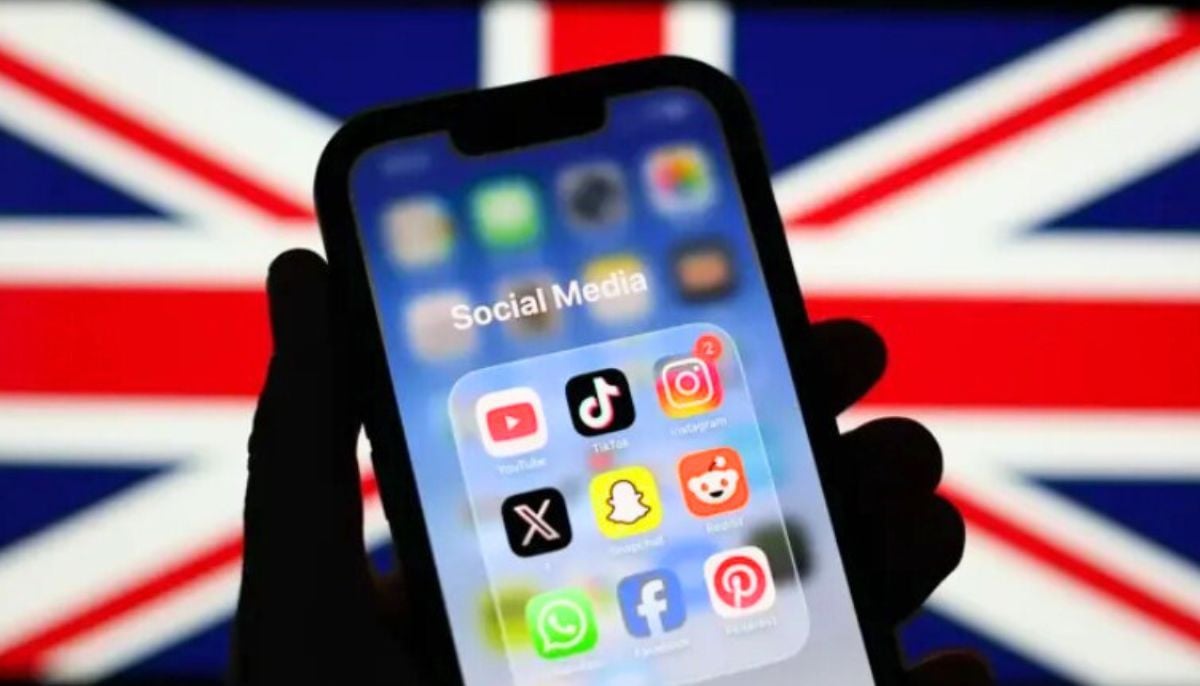
As the UK government enters into the phase of initial testing or trials for under-16 social media for British teenagers, they have refused to adopt this new trend, following the steps of the Australian government’s complete restrictions.
Teenagers believe that this decision is purely central to their lives, and they don’t think that it’s the government’s job to ban it.
This response came as Britain, like other countries in Europe and beyond, is considering ways to restrict social media after becoming increasingly aware of the risks to children, and the country may follow Australia in imposing a ban for under-16s.
Moreover, the government has asked everyone with a view to contribute to a public consultation, which closes in May.

Young people aged 16 to 18 at one south London school said Snapchat, Instagram, and TikTok helped them socialize, make new connections, and learn about the world.

But there were downsides: the platforms sometimes left them unhappy or exhausted and vulnerable to bullying and harmful content, and they knew the apps were designed to keep them scrolling.
Feedback from psychologists and experts:
While many parents and politicians back a social media ban, some psychologists and researchers say there is no proof that it would work.
Research Professor Amy Orben from the University of Cambridge said, “The online world, like the offline world, is very complex, and its impacts will be very dynamic,” she said.
Some believe “mindless scrolling” was a good contrast to the stress, while others think when teens see other children on social media, they want to look like them, which is really crushing their self-esteem.
Difficulty in enforcing social media ban:
Despite knowing of the risks of social media, the pupils were mostly opposed to a ban.
Few teens believe, ‘Restrictions could push young people towards platforms where there are more dangerous things, so complete enforcement would be difficult, as they can use VPN’
Raising questions about the effectiveness of platforms’ age-gating methods, industry data showed one-fifth of Australian teenagers under 16 were still using social media two months after the ban.
The experts said pressure should be placed on social media companies to build safer platforms, as algorithm-driven feeds become increasingly addictive and in some cases, direct children towards pro-anorexia or self-harm videos.
“These are commercial platforms,” Orben said. “They are designed to harness attention, and … young people are increasingly saying that they struggle to get off.”
British regulator Ofcom in 2022 said six in ten under-16 children use social media.
“How are we going to enforce a ban with 14 and 15-year-olds who have grown up with it and built extensive networks?”
Professor Sonia Livingstone, leader of the Digital Futures for Children center at the London School of Economics, said policymakers risked reaching for the wrong solution, with a ban seen as “a very blunt hammer to crack a nut.”
She said the government’s focus should be on how it tackles big tech.
“Why don’t we say Snapchat is the one where the randomers can get in touch with you. Instagram is the one where you can see the self-harm content. And TikTok is the one that wants you on so long that you can never get to sleep or do your homework,” Professor Sonia added.
Experts believe the government should demand “safety by design without eliminating children’s access to the digital world, which is what they want and have a right to.”


