



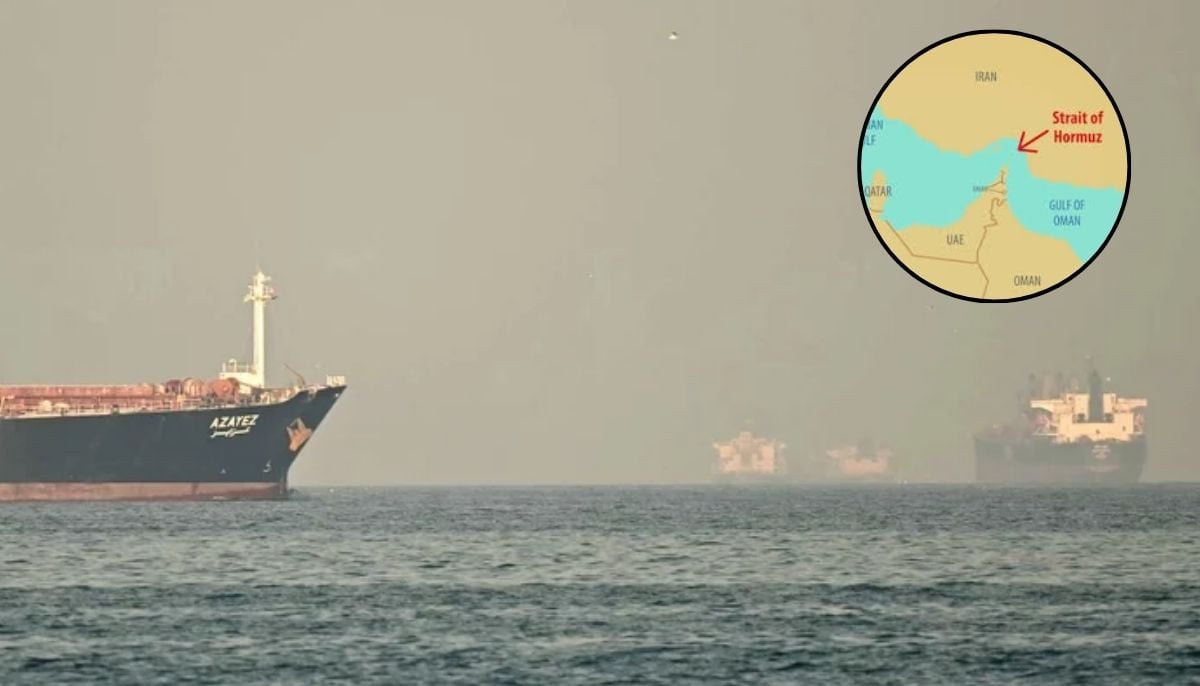
Global oil and gas shipping rates have surged to record high in the midst of the Middle East crisis as Iran threatened to close the major chokepoint Strait of Hormuz on Tuesday.
Shipping through Strait of Hormuz holds significant importance as around two-fifths of oil and large quantities of LNG pass through this chokepoint between Iran and Oman.
Owing to the recent conflict between the US and Iran, the shipping route has come to near halt after attacks on vessels in the strategically important area.
The conflict in the Middle East has forced several oil and gas facilities to shut down. As a result of closure, the European natural gas and oil prices have spiked along with Brent crude oil prices surging 10 percent this week.

Additionally, the cost of shipping oil also hit a record high. According to LSEG data, the companies are now paying hefty prices such as roughly $423,736 per day to send a massive tanker from the Middle East to China.

On Monday, the cost of renting ships for transporting LNG spiked by over 40 percent as Qatar stopped production.
- Atlantic Ocean routes: Prices hit $61,500 per day, an increase of $18,750 from Friday.
- Pacific Ocean routes: Prices hit $41,000 per day, an increase of $12,750 from Friday.
According to Fraser Carson, principal analyst for global LNG at energy consultancy Wood Mackenzie, the price could reach as high as $100,00 this week.

Carson said, “Vessel availability for the rest of March is considered weak as cargo operators try to work through the backlog created by weather disruptions during February.”
“There will be very strong competition for any available vessels,” he added.
After the killing of Iran’s supreme leader Ayatollah Khamenei on Saturday, the Iran has unleashed a barrage of strikes on Gulf countries.
According to an Iranian Revolutionary Guards senior official, the Strait of Hormuz is closed and if any ship tries to pass, it will be attacked.
As Fox News reported after confirming from the US military Central Command that the Strait is not closed yet despite Iran’s warnings.
