



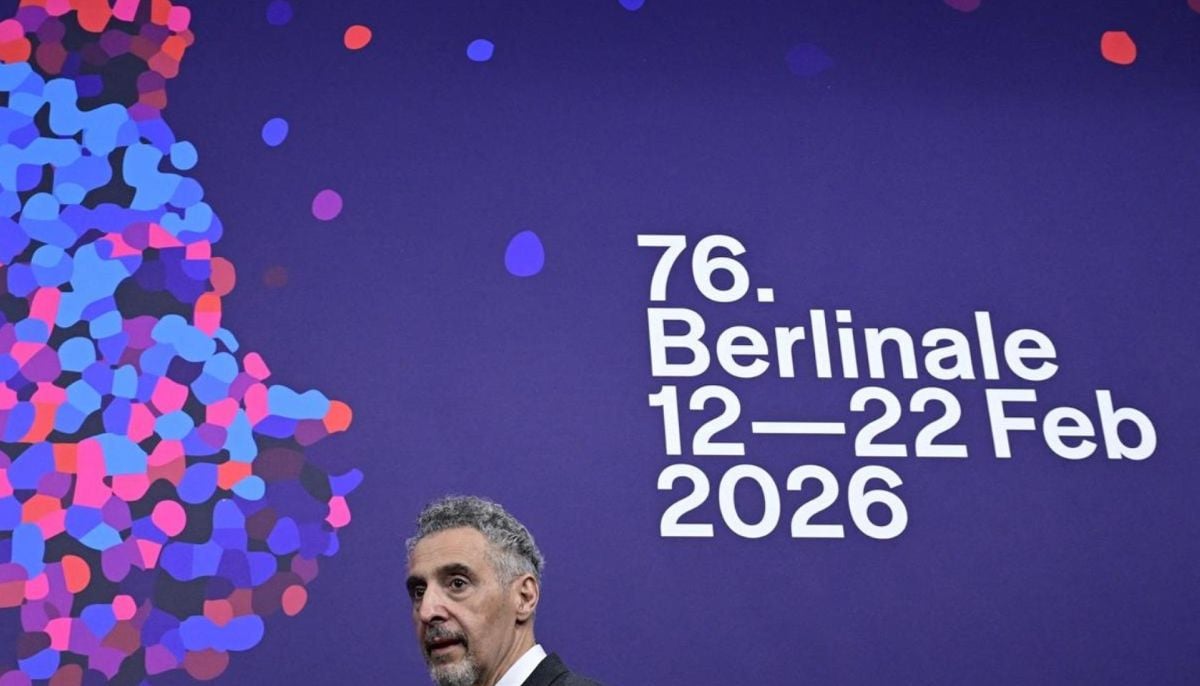
The 76th Berlin Film festival has come to an end, but the headlines were not just about the movies.
While the festival showcased powerful stories ranging from family dramas to 17th-century historical pieces, it was marred by a tense debate over political issues.
The controversy started when jury president Wim Wenders fueled a backlash after stating, “We cannot really enter the field of politics,” in response to questions about the German government’s support for Israel.
These remarks went against his earlier claim that film has the power to “change the world,” but in a different way from party politics.

As a result of his response, renowned author Arundhati Roy withdrew from the festival in protests, labeling Wenders’ stance “unconscionable.”

Moreover, dozens of film industry figures, including Javier Bardem and Tilda Swinton, signed an open letter accusing the festival of “silence” and censorship regarding the humanitarian crisis in Gaza.
Director Tricia Tuttle pushed back against the criticism, declaring some claims “misinformation” and urging the public to refocus on the art of filmmaking.

The festival also remained an important platform for Iranian dissidents. Director Mahnaz Mohammadi and Jafar Panahi used the event to denounce the Iranian government’s brutal crackdown on protestors.
According to Dissident director Jafar Panahi, who won the Cannes Palme d´Or for It Was Just An Accident said, “An unbelievable crime has happened. Mass murder has happened. People are not even allowed to mourn their loved ones.”
“People do not want violence. They avoid violence. It is the regime that forces violence upon them,” Panahi said.
