


Two cases of the deadly Nipah virus in India have prompted countries in Asia to step up airport screening to prevent the spread of the infection.
But what is Nipah virus, and how worried should people be?
What is Nipah virus?
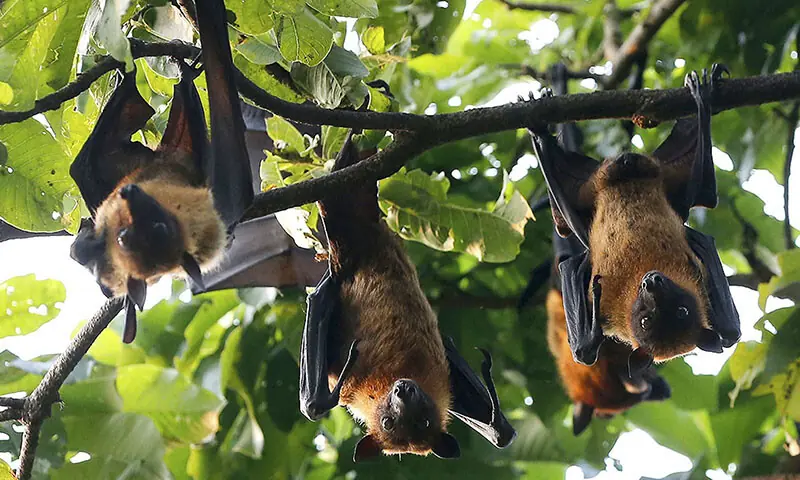
Nipah is a rare viral infection that spreads largely from infected animals, mainly fruit bats, to humans. It can be asymptomatic, but it is often very dangerous, with a case fatality rate of 40 to 75 per cent, depending on the local healthcare system’s capacity for detection and management, the World Health Organisation (WHO) says.
However, while it can also spread from person to person, it does not do this easily, and outbreaks are usually small and fairly contained, according to experts and the European Centre for Disease Prevention and Control.

Candidate vaccines are under development, although none have been approved yet.
How common is it?
Nipah was first identified in Malaysia in 1999. Since then, there have been small outbreaks almost every year, mostly in Bangladesh. India also sees sporadic outbreaks.
According to the Coalition for Epidemic Preparedness Innovations (CEPI), a group that tracks emerging disease threats and funds the development of medical tools to protect against them, as of December, 750 cases had been recorded in all, and 415 of the patients died. Reuters traced the spread of Nipah in a 2023 series, Bat Lands.

How does it spread?
When first identified in Malaysia, Nipah spread largely through direct contact with sick pigs or contaminated tissues. Since then, it more commonly spreads from contact with what scientists say is its natural host: fruit bats.
More specifically, the consumption of fruit or fruit products — like raw date palm juice — containing urine or saliva from infected fruit bats has been the most likely source of infection, the WHO says.
Human-to-human spread has been found, mainly after close contact between a sick patient and their family or caregivers.
What are the symptoms?
The initial symptoms of Nipah, such as fever, headaches and muscle pain, are not specific and can be confused with other diseases.
These can then be followed by neurological signs indicating acute encephalitis, or inflammation of the brain, and some people experience severe respiratory problems.

Seizures occur in severe cases, progressing to a coma in days. Most people who get better make a full recovery, but some experience long-term neurological problems.
How worried should we be?
While Nipah is a dangerous disease with a high fatality rate, it has not yet shown signs of becoming more transmissible among humans or spreading easily worldwide, scientists say.
However, it remains a significant public health concern, according to the WHO, particularly in countries where outbreaks are more common. It can also lead to the mass culling of farm animals such as pigs that are susceptible to the virus.
Scientists say, however, that it is unlikely to spread globally and also point out that airport screening may be ineffective as the virus has a long incubation period.
What vaccines or treatments are available?
There are currently no approved vaccines or treatments for Nipah, although several candidates are undergoing testing, including one developed by the Oxford University scientists involved in developing one of the Covid-19 vaccines.
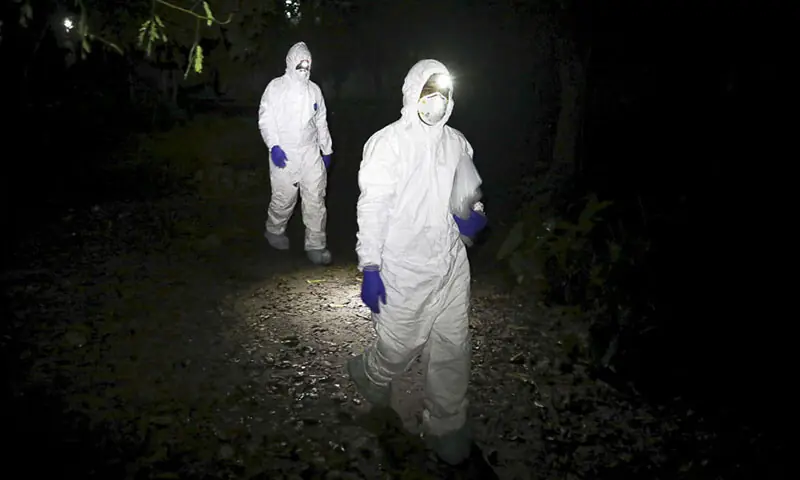
Their Nipah vaccine uses the same technology and began phase II testing in Bangladesh in December in collaboration with the International Centre for Diarrhoeal Disease Research, Bangladesh, and with funding from CEPI.


