



Travel in 2026 is all about meaningful experiences, responsible tourism, and discovering destinations that offer more than just beautiful views.
This year’s list of the 10 best places to travel highlights locations that welcome visitors while supporting local communities, protecting the environment, and preserving their unique culture.
From vibrant cities to peaceful natural escapes, these destinations promise unforgettable journeys where your trip can truly make a positive impact.
1- Abu Dhabi

A feeling of excitement is building in Abu Dhabi’s desert landscape. After many years in the making, the Saadiyat Cultural District is finally moving into its most important stage, a journey that began with the opening of Louvre Abu Dhabi in 2017.
Recently, the world’s largest digital art museum, TeamLab Phenomena, opened its doors, followed by the Zayed National Museum. The museum tells the story of the UAE before oil wealth, highlighting traditions such as pearl diving, the influence of Islam, the spread of the Arabic language, and the vision of the nation’s founder, Sheikh Zayed bin Sultan Al Nahyan.
Another major addition is the Natural History Museum Abu Dhabi, designed to reflect the region’s geology and overlooking the Arabian Gulf. The much-anticipated Guggenheim Abu Dhabi, set to be the largest of its kind, is also expected to open around late 2026.

Alongside culture, Abu Dhabi is expanding its theme park offerings on Yas Island, with new attractions planned, including a possible Disneyland in the future.
2- Algeria
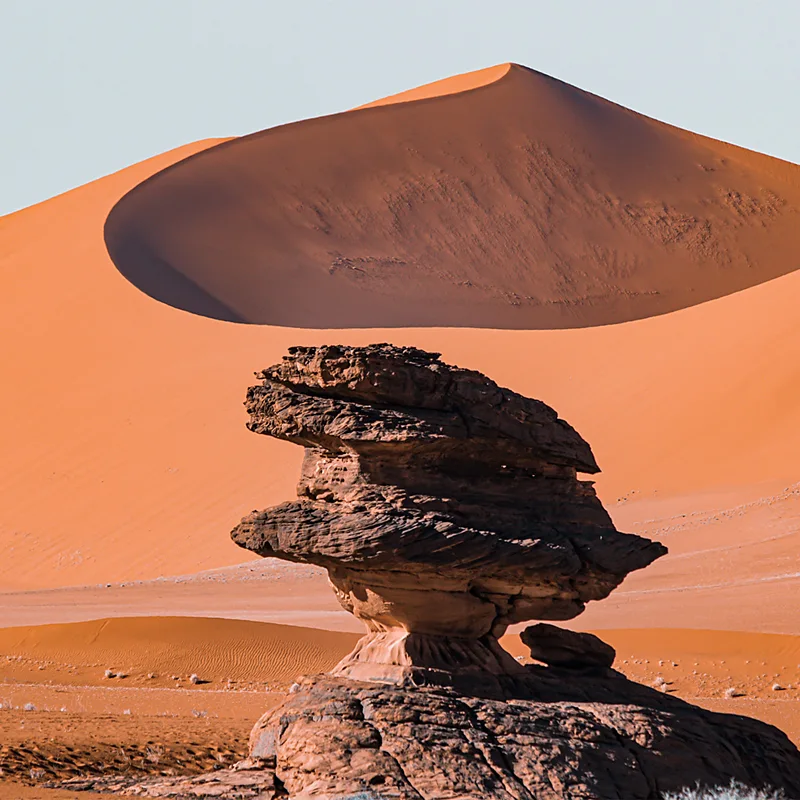
Algeria is a country filled with impressive Roman ruins, dramatic desert landscapes, and historic cities known for their striking mix of architectural styles. For many years, its tourism potential remained limited due to a complex visa process. Now, this hidden gem of African travel is beginning to open up.
The country is working toward a goal of welcoming 12 million international visitors each year by 2030. Recent steps include introducing visa-on-arrival for travelers joining organized tours, launching a new domestic airline in August 2025, and increasing efforts to protect cultural heritage. The government is also supporting hundreds of thousands of local artisans through training and preservation programs.
New tour options from major travel companies are making visits easier in 2026. Most trips start in Algiers, the coastal capital rich in history.
3- Colchagua Valley, Chile
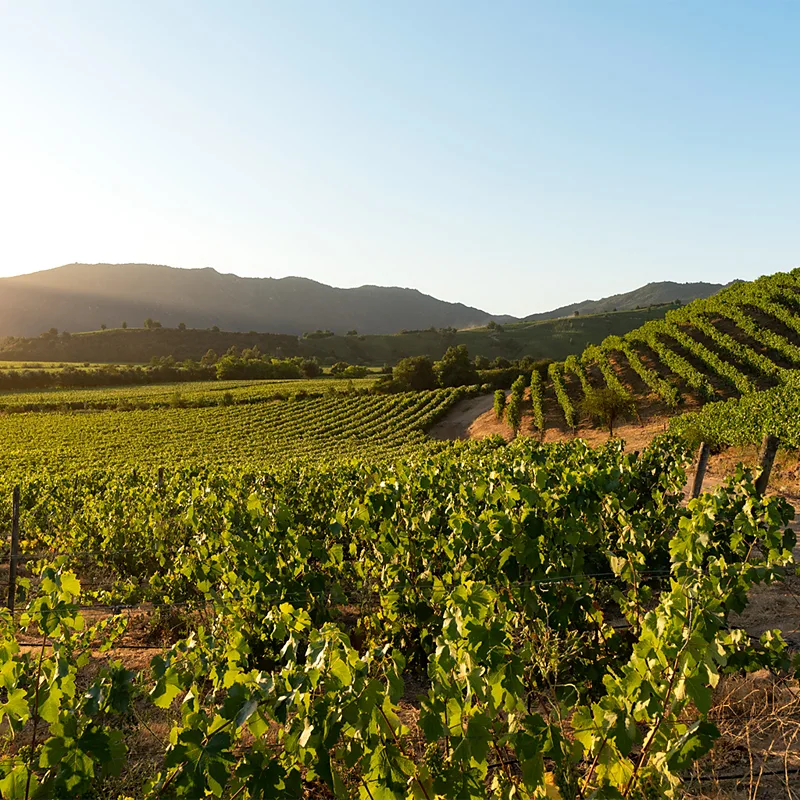
About two hours south of Santiago, Chile’s Colchagua Valley runs from the snow-covered Andes near the Argentine border all the way to the Pacific Ocean, following the path of the Tinguiririca River. While many travelers only pass through Santiago on their way to Patagonia or the Atacama Desert, those who head south on a longer road trip discover historic estates, beautiful hiking routes, and one of Chile’s most important wine regions.
Well before the luxury vineyard hotel Vik was named the world’s best winery for 2025, well-known wineries such as Viu Manent, Los Vascos, Casa Silva, and MontGras were already welcoming visitors for relaxed wine tastings. Food is also a major highlight here, especially at places like Fuegos de Apalta, where chef Francis Mallmann serves fire-cooked dishes surrounded by the vineyards of Montes Winery.
Visitors can even stay among the vines. At Clos Apalta, the famous Lapostolle family offers modern hillside villas that appear to float above rolling vineyards planted with Carménère, Cabernet, and Syrah grapes.
4- Cook Islands
The Cook Islands are known for their warm and friendly people, often described as the most welcoming in the South Pacific. Unlike busier destinations such as Fiji, visitor numbers here remain low, which means travelers feel like genuine guests rather than typical resort tourists.
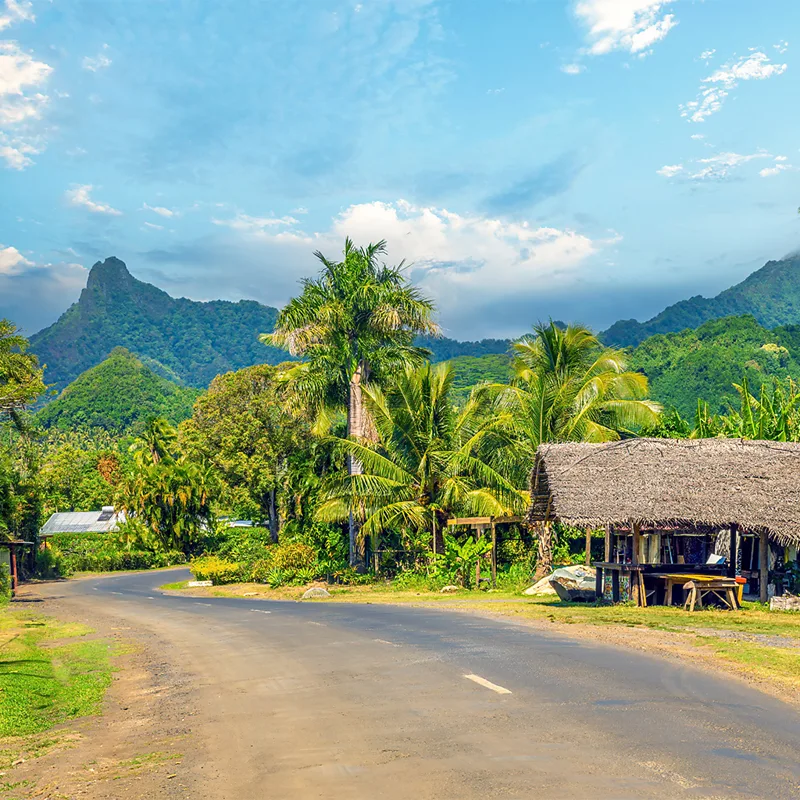
Rarotonga, the largest island, may be small at just 67 square kilometers, but it offers everything people love about the South Pacific. It features sharp mountain peaks similar to Tahiti, lush green interiors, a clear blue lagoon, and a strong Polynesian culture. Beyond Rarotonga and the popular honeymoon island of Aitutaki, there are 13 other islands that feel quiet, untouched, and easy to explore on your own.
A growing trend of relaxed luxury accommodations is changing the travel experience, and by 2026 the islands will also strengthen efforts to protect their culture and environment. The vast Marae Moana marine park is receiving greater protection, and parts of Aitutaki’s lagoon have been given special status. The government has also postponed deep-sea mining research until at least 2032. On land, Rarotonga’s sacred Maungaroa Valley remains undeveloped and rich with rivers and rainforests.
Reaching the Cook Islands is now easier than ever, with improved flights from Hawaii and new direct services planned from Australia.
5- Costa Rica
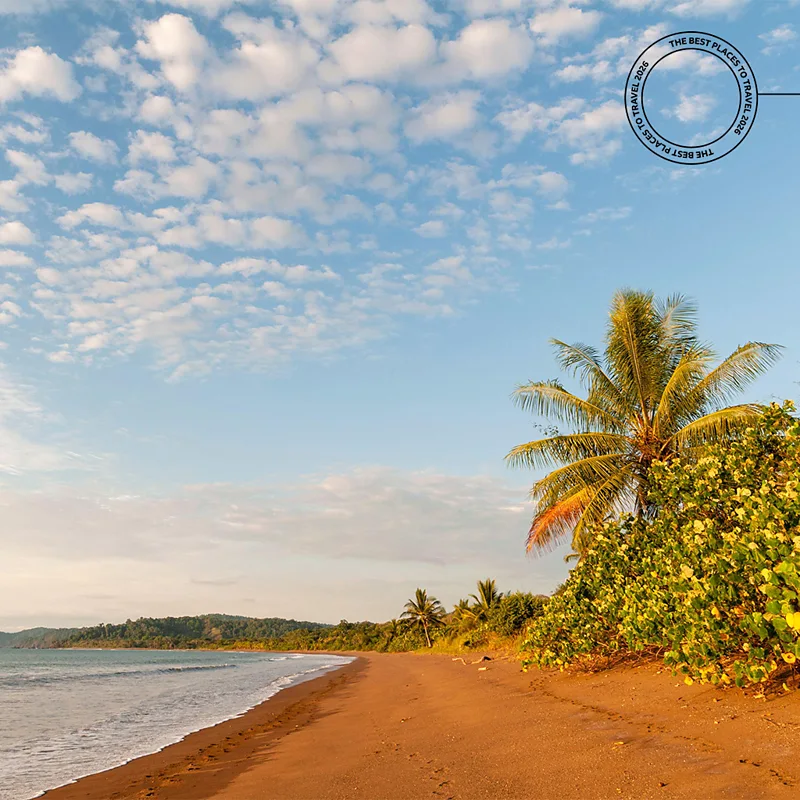
Travelers who reach this small Central American country discover a special mix of untouched nature and wellbeing. Lush rainforest flows straight onto quiet beaches, colorful macaws fly above clear blue bays, and powerful Pacific waves crash along a coastline that contains about 2.5% of the world’s known land species in just one peninsula. Days begin with the calls of howler monkeys, followed by kayaking through glowing mangroves, surfing famous waves, or joining guided breathing, meditation, or yoga sessions before hiking deep into Corcovado National Park.
Getting there is becoming easier, with direct flights from San José to nearby Puerto Jiménez. At the same time, major conservation efforts are underway. In 2026, local groups and national partners plan to expand protected land and marine areas, improving jaguar habitats in the rainforest and increasing protection for migrating sharks at sea.
6- Ishikawa, Japan
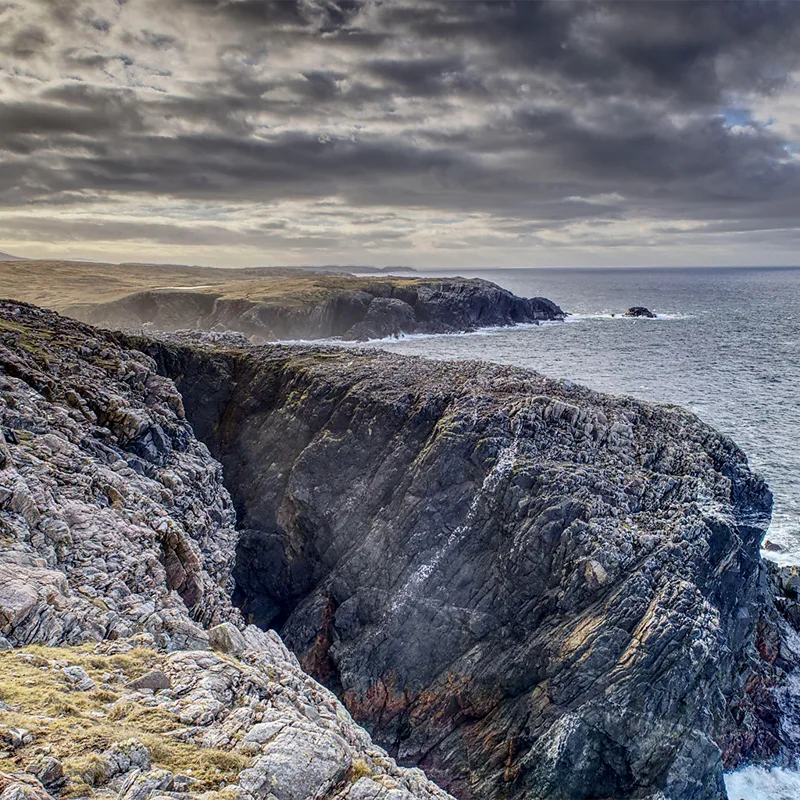
On New Year’s Day 2024, a powerful 7.6-magnitude earthquake struck Japan’s remote Noto Peninsula in Ishikawa Prefecture, causing widespread destruction. Nearly two years later, local communities are encouraging travelers to visit again, as tourism now plays an important role in helping the region recover.
In southern Ishikawa, Kanazawa is easily reached from Tokyo by bullet train. The city is famous for Kenrokuen, one of Japan’s most beautiful gardens, and for its strong tradition of craftsmanship. Visitors can explore gold-leaf workshops and even try creating Kaga Yuzen silk-dyed designs. However, it is further north in the earthquake-affected Noto area where tourism has the greatest impact.
Here, traditional farmhouse inns welcome guests to take part in seasonal activities such as rice planting. The income helps support local families and preserve the historic terraced rice fields of Shiroyone Senmaida. Noto is also known for its fresh seafood, Wajima-nuri lacquerware, and high-quality sake made by skilled master brewers. Many breweries have reopened, supported by initiatives that direct sales back to those affected by the disaster.
7- Komodo Islands, Indonesia
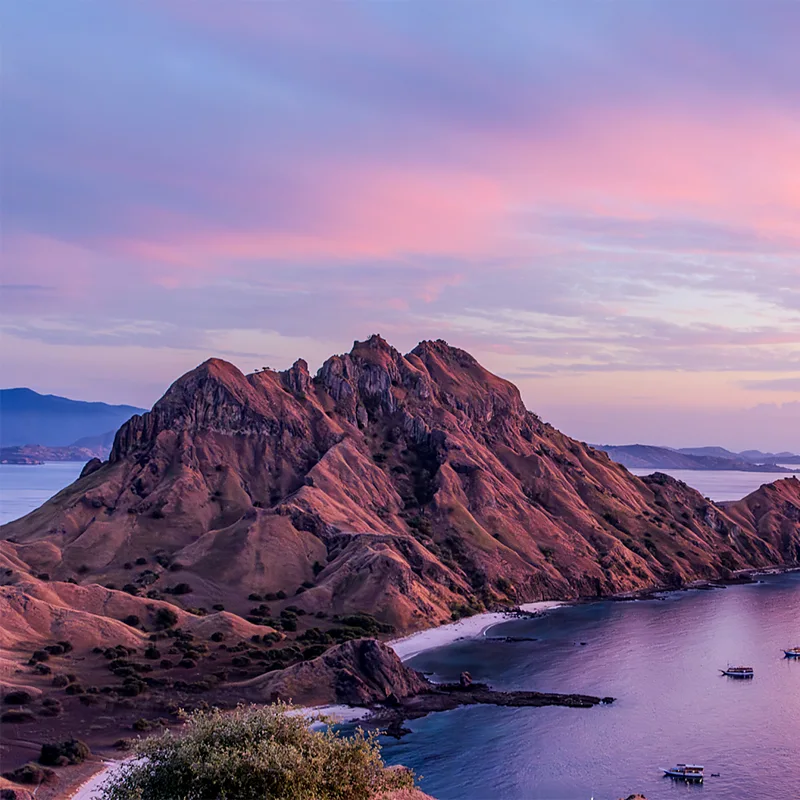
Rising from the turquoise waters of the Flores Sea, the Komodo Islands are one of the world’s most spectacular wildlife destinations. Within this UNESCO World Heritage-listed park, pink-sand beaches meet grassy hills, vibrant coral reefs are home to manta rays, and the last wild Komodo dragons roam freely.
In 2026, Indonesia will celebrate the park’s 45th anniversary with new conservation programs and visitor-management initiatives aimed at protecting both the dragons and fragile marine ecosystems. Improved access, including direct flights from Singapore and Kuala Lumpur to Labuan Bajo, makes visiting easier than ever.
Strict permits and ranger-led treks ensure that tourism benefits local communities while safeguarding the environment. Travelers can explore the islands on day trips by boat, stay in eco-lodges on nearby islets, or sail between secluded bays on traditional phinisi vessels, enjoying an immersive and responsible experience in this unique archipelago.
8- Loreto, Baja California Sur, Mexico
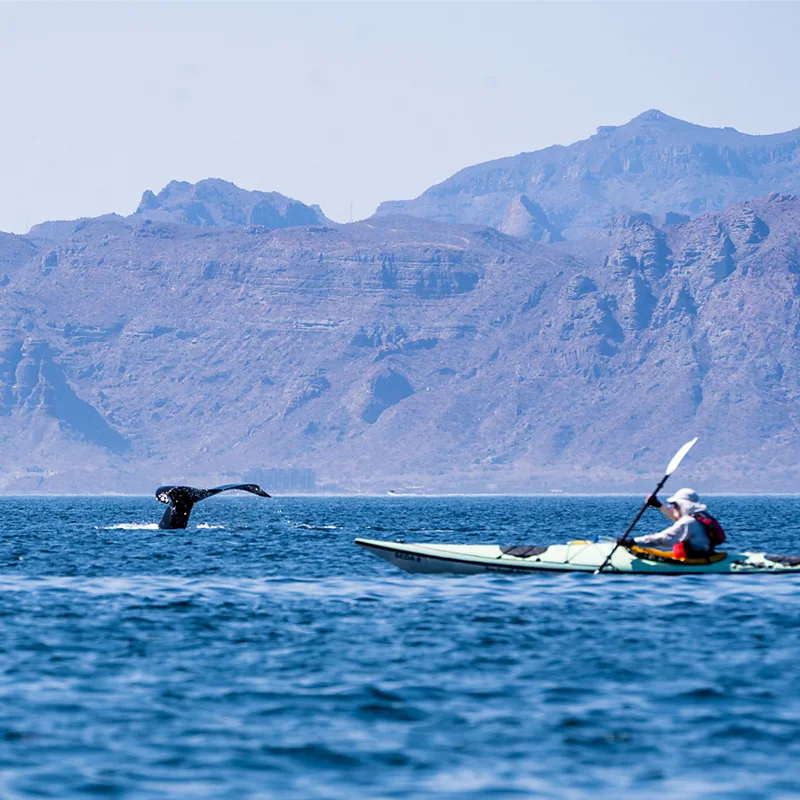
As Loreto Bay National Park nears its 30th anniversary, its conservation legacy continues to grow. Protecting over 200,000 hectares of the Gulf of California, the park is home to blue whales, sea turtles, and colonies of California sea lions, standing as one of Mexico’s most successful grassroots environmental achievements.
The region is now expanding its protected areas with two new national parks, Nopoló and Loreto II, opening thousands of hectares of desert canyons, mangroves, and wildlife corridors for visitors to explore.
Loreto’s charm goes beyond its landscapes. Former fishermen, now trained as naturalist guides, lead kayak trips through desert islets and whale-watching tours that double as citizen-science experiences. Visitors can help track migrating blue whales, participate in coastal clean-ups, or join annual conservation festivals filled with music, food, and storytelling. Local groups also offer guided desert walks and communal meals, where travelers share freshly caught seafood with families and artisans.
9- Montenegro
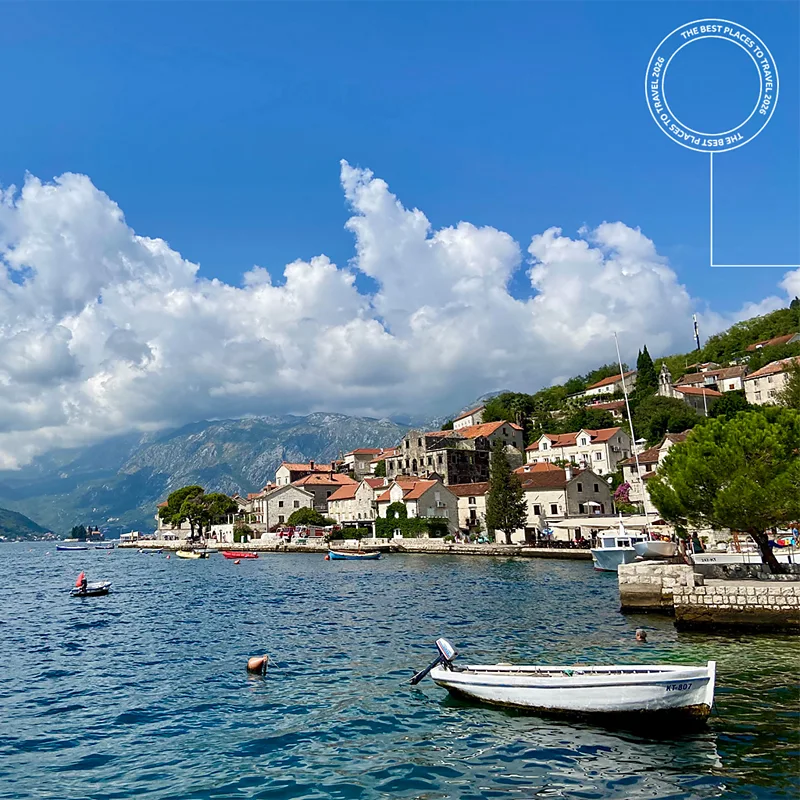
Montenegro, one of the world’s youngest countries, will celebrate its 20th anniversary in 2026. With fewer than 650,000 residents and a rich mix of Illyrian, Roman, Ottoman, and Yugoslav influences, this small Balkan nation is best known for its stunning coastline. The fjord-like Bay of Kotor, dotted with well-preserved Venetian towns and walled old cities, and its Adriatic resorts are attracting travelers seeking alternatives to the busier beaches of neighboring Croatia.
Yet, Montenegro’s interior remains largely unexplored. River plains give way to dramatic karst cliffs and rugged mountains. Highlights include Cetinje, the tiny former royal capital with monasteries, palaces, and museums, and Lake Skadar, a vital European bird reserve hosting around 281 species.
The country’s mountains are its standout feature. The Prokletije range, one of Europe’s last wildernesses, is home to bears and wolves amid jagged peaks, forests, and glacial lakes. Hiking enthusiasts can explore trails like the Peaks of the Balkans, a 192km route crossing Albania and Kosovo, designed to promote sustainable tourism and support local mountain communities.
10- Oregon Coast, US
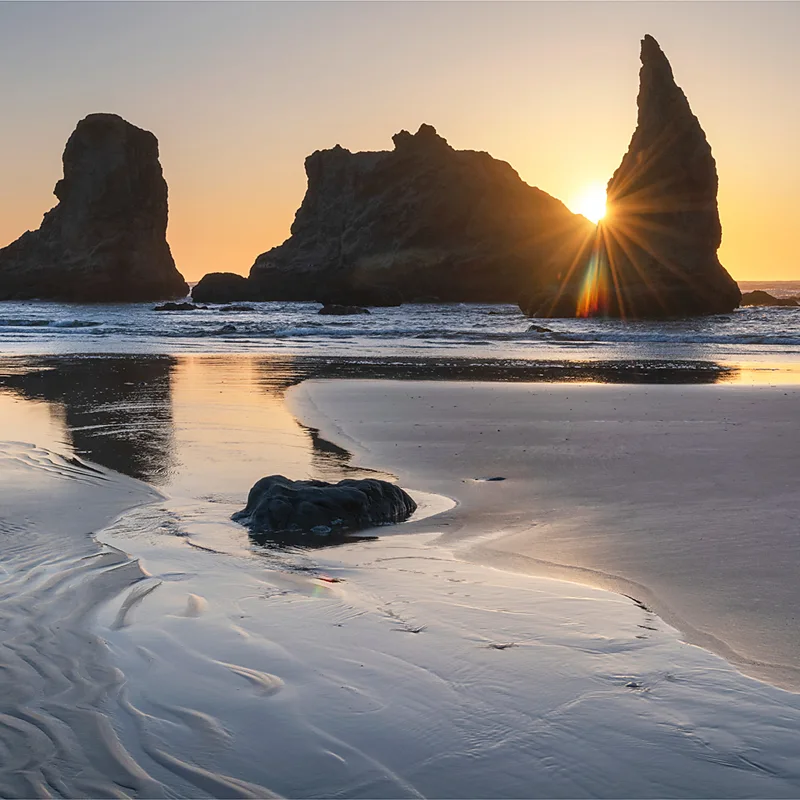
Stretching nearly 370 miles from the cliffs of the Columbia River Gorge in the north to the towering redwoods in the south, the Oregon Coast is a stunning mix of rugged landscapes and natural beauty. Waves crash against dense evergreen forests, solitary lighthouses rise through the fog, and migrating whales can be seen from small coastal towns. Thanks to a 1967 law, Oregon is the only US state where the entire coastline is public and free for everyone.
Less crowded than California’s coast, this stretch of US-101 offers one of America’s classic road trips. In 2026, travelers will find even more ways to explore. A seasonal shuttle now connects Portland with coastal destinations, and an expanding EV-charging network makes electric road trips easier. Biking enthusiasts can ride the full 370-mile coast-to-coast route, or rent bikes in many towns.
Fresh local seafood supports coastal communities, while Mobi-Mats, free beach wheelchairs, and partnerships with inclusive travel platforms make the shoreline accessible to more visitors. Bookings through Every Stay Gives Back also help fund nonprofits protecting this rugged and beloved coast.


