



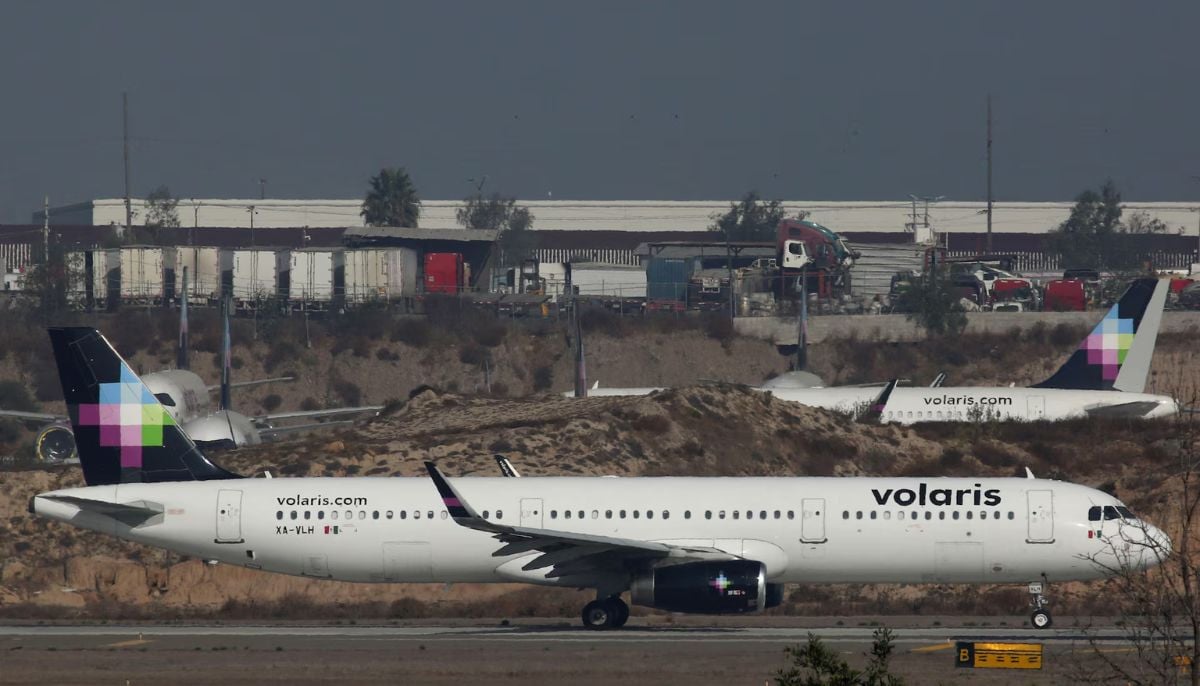
Mexico’s top-tier airlines, Volaris and Viva, have reportedly agreed to merge, creating a new low-cost airline group that would become the country’s dominant player in the country.
According to Reuters, the carriers will proceed under their existing brands, maintaining business autonomy while combining ownership at the holding-company level.
Both airlines operate exclusively with Airbus fleets and serve many of the same routes.
In this connection, Volaris Chief Executive Enrique Beltranena said, “We expect the formation of the new airline group will allow us to realize significant growth opportunities for air travel in Mexico.“

How will the deal work to popularize budget-friendly flights?
The deal would promote low cost air travel in Mexico by elevating its network and lowering operating costs which would ultimately contribute to the country’s economic growth.
It is expected that the company will close its deal in the coming year, with shares remaining listed in Mexico and New York.
This deal meets the current needs of economic regulators but is likely to draw opposition from Aeromexico, which is the colossal Mexican carrier for international travel and holds about a third of the domestic market- as do Volaris and Viva.

Holding entities in a merger of equals under the new agreement
In accordance with the new agreement, the companies will consolidate their holding entities in a merger of equals.
Viva stakeholders will receive newly issued shares in the Volaris holding company, while managing Volaris investors will retain their stakes, leaving each side with 50% ownership.
Volaris’s majority shareholder is private equity firm Indigo Partners, which also controls U.S. airline Frontier and Chile’s JetSMART.
The recent deal comes after several years of turbulence for Mexico’s aviation market.
The U.S. The Department of Transportation rejected more than a dozen flight routes proposed by Mexican airlines due to a dispute over Mexico’s handling of flights at its primary capital airport.
U.S. operators held more than half of Mexico’s global market share by passengers carried in the year through October, while Mexican airlines accounted for just below 30%.
The recent shift aims to resist global economic pressures while dominating the Mexican domestic market.


