



A mixture of spiced kebab patty, usually a shami kebab, and an egg, served inside a soft bun with chutneys and various toppings. This iconic street-side treasure is more than just a snack, it’s a bite-sized celebration of Pakistani flavor, culture, and nostalgia. It is a staple of Pakistani cuisine, often sold by street vendors, and is also known as anda shami.
A Flavor-Packed Classic:
A true bun kebab is all about balance and boldness. It features a juicy, spice-infused patty made from ground meat, lentils, potatoes, or a combination of all three, nestled inside a soft bun that’s perfectly crisped on a hot griddle. The magic continues with layers of tangy green chutney, sweet and sour imli (tamarind) sauce, shredded cabbage or onions, and, if you’re feeling indulgent, a freshly fried egg on top.
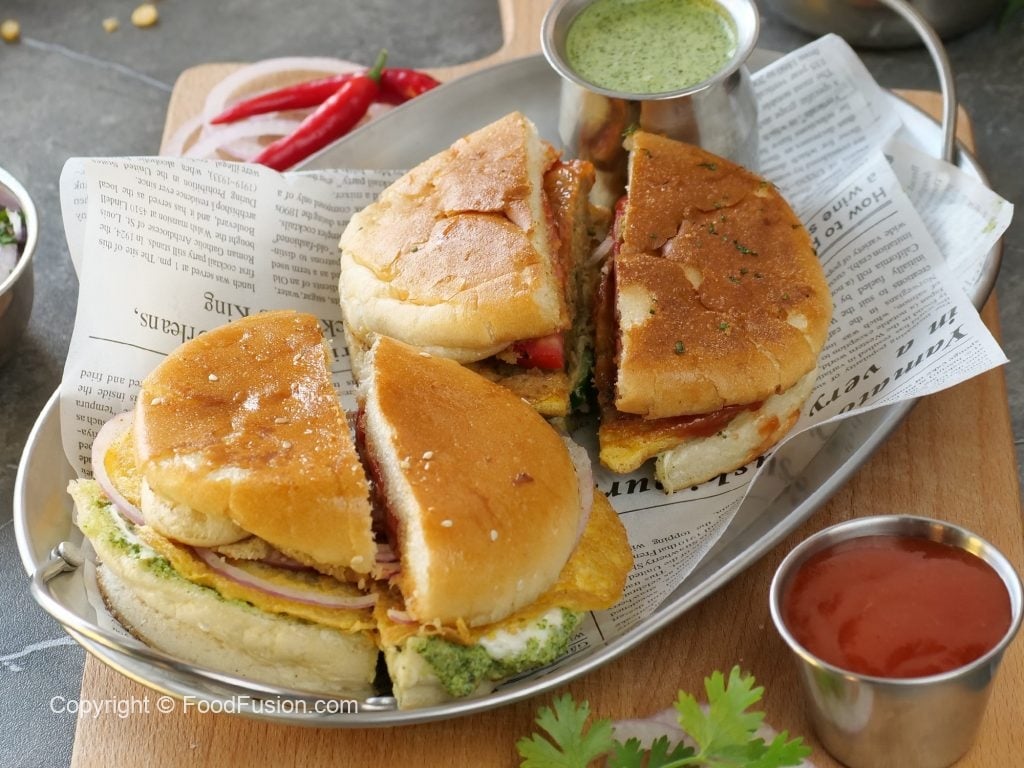

The result? A portable explosion of flavor that perfectly captures the soul of Pakistan’s street food scene. It’s a snack that’s satisfying, flavorful, and designed to be enjoyed on the go.
Roots in Karachi’s Culinary History:
The story of the bun kebab begins in 1950s Karachi, where early vendors on the famous Burns Road crafted the first versions of this now-legendary snack. Known affectionately as the “anday wala burger” when served with an egg, the bun kebab quickly spread across the country, becoming a cheap, filling, and satisfying option for workers, students, and late-night wanderers.

Today, it remains a national favorite and a symbol of everyday Pakistani cuisine—simple, bold, and full of character. It’s a reflection of the vibrant street food culture that defines Pakistan’s culinary identity.
A Rival to Western Fast Food:
Long before Pakistan saw branded burgers from chains like Mr. Burger, Burger Lab, Burger Inc., or even McDonald’s, the bun kebab reigned supreme as the country’s original fast food. Affordable and proudly local, it has outlasted every trend and foreign competitor.
In fact, McDonald’s once tried to introduce a version of the bun kebab, but the experiment flopped—customers knew that nothing could rival the authenticity, charm, and street-side freshness of the original. It’s a testament to how deeply rooted this snack is in the hearts of Pakistanis.
Endless Varieties:
Part of the bun kebab’s magic lies in its adaptability. As dietary preferences and tastes evolved, vendors expanded their menus without losing the essence of the classic. Today, you can find:
Traditional minced meat and lentil patties
Beef and garbanzo (chickpea) blends
Lentil and lamb mixtures
Chicken and lentil combinations
Egg and lentil fusion patties
Vegetarian options with potatoes, lentils, or chickpeas
No matter your preference, there’s a bun kebab waiting for you each with its own unique twist yet maintaining the core flavors that make this snack so beloved.
Street Food for Everyone:
Despite inflation and changing food trends, the bun kebab remains one of the most affordable snacks in Pakistan typically priced between 100 to 250 in Pakistani rupees. You’ll find it everywhere: on Karachi’s side streets, in Lahore’s buzzing neighborhoods, near Rawalpindi’s markets, and even at small-town pushcarts.
It’s a snack that unites people across class, city, and culture—an accessible and delicious symbol of Pakistani street food’s inclusiveness and vibrancy.
A Bite of Pure Pakistan:
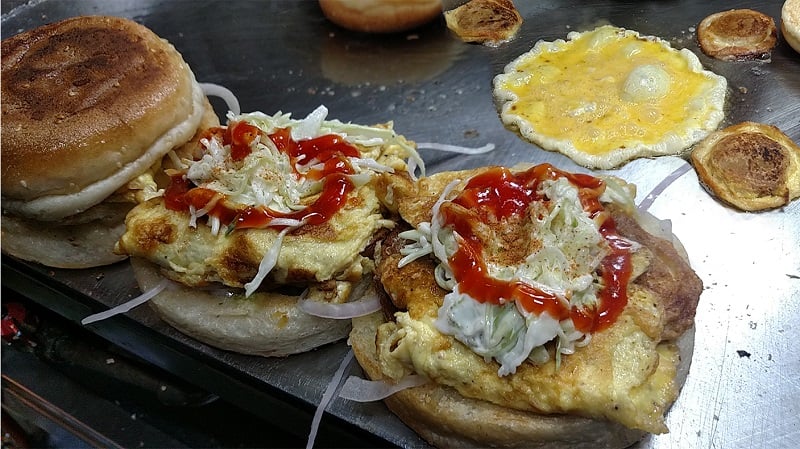
Crispy. Spicy. Tangy. Comforting. This is the bun kebab—simple yet unforgettable, deeply rooted in Pakistan’s culinary soul.
No matter where your journey takes you, there’s nothing quite like stopping by a roadside vendor, hearing the sizzle of the griddle, inhaling that irresistible aroma, and taking a bite of the snack that has defined generations: the legendary Pakistani bun kebab.


