


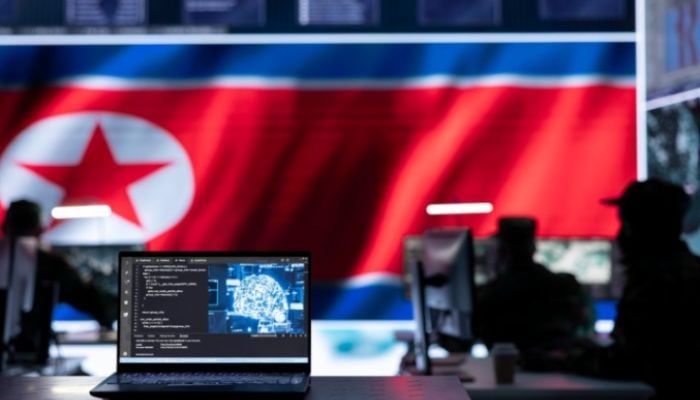
South Korean President Lee Jae-myung has ordered an immediate, high-level investigation into a wave of cyberattacks targeting major commercial banks and financial institutions.
Lee said that AI models are believed to have been used in some recent hacking incidents against banks and called for the country to develop cybersecurity methods suited to the AI era.
“In some hacking incidents, signs have emerged of AI being used, causing considerable public concern and anxiety,” Lee said during a cabinet meeting. “Please establish the circumstances swiftly and clearly, and concentrate personnel and resources on minimising the damage.”

Major South Korean banks reported cyberattacks:
Shinhan Bank, KB Kookmin Bank and others had reported cyberattacks, the Financial Services Commission (FSC) said on Friday, while Yonhap reported that Hana Bank and Woori Bank had also suffered breaches.

The FSC and national police launched a joint emergency probe, ordering financial firms to complete rigorous security inspections.
On Sunday, FSC Chairman Lee Eog-weon convened an emergency meeting with financial industry associations, regulators and executives from affected institutions, warning that the sector must respond with the highest level of vigilance.

South Korea’s police have launched a full-scale investigation into the hacking attacks against commercial banks that led to a breach of customers’ personal information, the Yonhap news agency reported on Tuesday.
However, authorities have not yet disclosed details on what kind of AI tools were used in the hacking incidents or the full scale of the breaches.
Highlighting preliminary findings that suggest hackers leveraged advanced AI tools to breach defense systems, the government has placed the country’s financial sector on maximum alert as regulators scramble to contain widespread data leaks.
The breaches have exposed sensitive user data including loan applications, contact details, and financial metrics affecting tens of thousands of customers.
President Lee stressed that the incident underscores an urgent need to modernize South Korea’s security paradigm, urging authorities to accelerate the development of AI-driven cybersecurity defenses to counter increasingly sophisticated, automated threats from abroad.
In September, Australia said an OpenAI agent breached a government health data portal in June, gaining unauthorized access to files, in what could be the first known instance of an AI agent hacking a government website.
An AI research firm said last week that AI agents tried to hack into a Canadian government website, casting the effort as a failed hacking attempt, while Canada said there were no indications its systems were compromised.
