


The UN Security Council is at the crossroads as debate regarding its existing setup and veto power has intensified with the opening of General Assembly week.
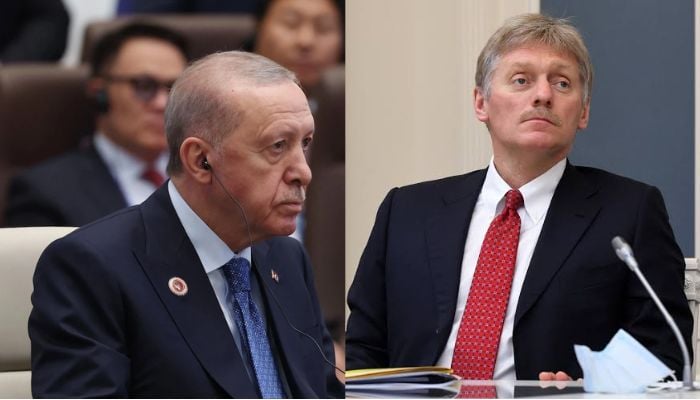
When it comes to outlining visions for a reformed Security Council, Russia and Turkey are at the odds. Turkish President Recep Tayyip Erdogan has called for scraping the veto power held for the five permanent members. He cited the reason that the current veto structure does not justify political and economic realities.
In a Tuesday Bloomberg opinion piece, Erdogan argued that recent global crises, such as conflicts, pandemics, energy shocks, and supply-chain breakdowns, reveal the fault lines of an international decision-making system dominated by a privileged few.
According to Erdogan, the focus should be on eliminating the privileged position instead of expanding the UN with additional members and giving them veto powers.

Erdogan’s reform plan is based on a Security Council without permanent members with countries elected by the UN General Assembly for fixed and rotating terms. The countries who wish to return to the council will be obliged to secure the support of a majority of UN members through a fresh election.

On the contrary, Russia rejected the idea of abolishing the veto power but backed the expansion of the UN with permanent members.
Kremlin spokesman Dmitry Peskov said Russia wanted the council to be reformed, and the permanent membership expanded.

“At the same time, we believe that the institution of permanent members of the Security Council, as well as the right of veto, are very important elements of the entire structure of the United Nations,” he said.
Right now, the UN Security Council has 5 permanent members including China, France, Russia, the UK and the US, each have the power to veto substantive resolutions.
