



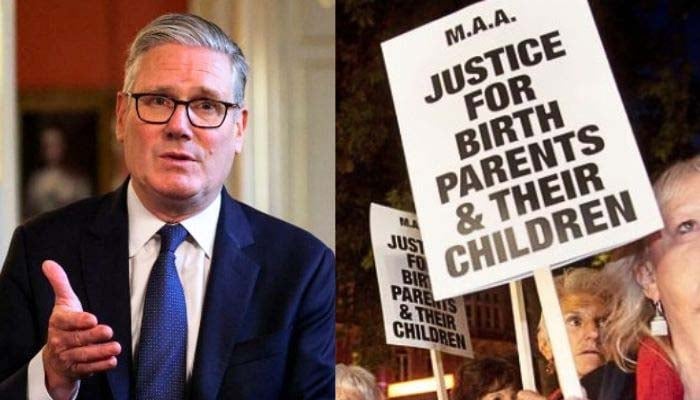
UK’s Prime Minister Keir Starmer delivered a formal, government-backed apology on July 2, 2026, for the British state’s role in historical forced adoption practices.
Starmer apologized to women forced to give up their babies or separated from their mothers at birth under a system of forced adoptions that targeted unmarried women for decades after World War Two.
According to a report an estimated 185,000 children were separated from their mothers in Britain. He apologized on behalf of the state for the lifelong trauma it had caused.
“On behalf of the whole country, I say it to every single person impacted: we are deeply and profoundly sorry,” Starmer told parliament, describing what happened to the victims as a “stain on our history”.

While many welcomed the statement as an important acknowledgment, campaigners have also called for continued practical support and consideration of further forms of redress.

Between 1949 and 1976, the British state and Christian churches created a system in which young women with children outside marriage were shamed and coerced into giving up their babies to comply with the social norms of the time.
“The state did not do enough to protect mothers, children, and families from harm, and for this systemic failure I am truly sorry,” said the Prime Minister.

Starmer met a group of affected mothers and children at his Downing Street residence earlier on Thursday.His apology follows years of campaigning by survivors and advocacy groups seeking official recognition of the harm caused.
The British Prime Minister also pledged that the government would spend £4 million ($5.3 million) to help people access their adoption records, fund intermediary services that help people reconnect with family members and for research and testimonial projects to document the long-term impact.
