


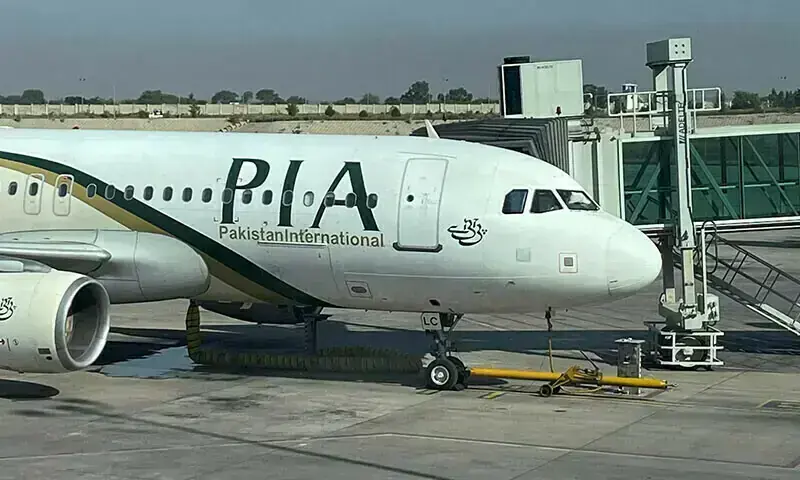
THE management control of PIA has finally been transferred to a consortium comprising private investors and the Fauji Foundation. The development marks a new chapter in the history of the airline whose fortunes declined over the past two decades.
According to an official statement, the transfer follows the completion of all local and international regulatory approvals, including permissions from global lenders and specialised tax concessions. The privatisation authorities believe the takeover will breathe new life into the airline. The consortium has paid the government Rs10bn upfront and committed to injecting another Rs125bn as fresh equity to fund restructuring, fleet renewal, route expansion and service improvement. PIA has long suffered massive financial losses, political interference and years of managerial drift. The promised capital injection could provide it with the resources it has lacked.
The new PIA chairman’s emphasis on heritage, trust and restoring PIA’s image is standard messaging. Passengers will judge the airline by performance. The real test will be improvements in safety, punctuality, customer satisfaction and financial performance. Privatisation removes the state’s ownership label. It does not automatically remove the structural constraints that have weighed down the airline for years. An ageing and shrunken fleet, inconsistent service standards, stiff competition from Gulf carriers, etc, remain the consortium’s real inheritance and challenges.
The biggest advantage of privatisation is that PIA now has owners with a direct financial stake in making the airline commercially viable. Even so, ownership alone guarantees nothing. The financial structure of the transaction deserves close attention. The consortium has pledged substantial fresh equity, but the airline’s long-term recovery will depend on how effectively that capital is deployed. Fleet expansion without better route planning, stronger cost controls and improved operational discipline will do little to restore profitability. Likewise, service improvements must be backed by stronger corporate governance and greater managerial accountability.

Rebuilding confidence will take time. Years of decline have damaged PIA’s reputation. Public trust cannot be restored through rebranding campaigns. It will require consistent operational improvements delivered over years. Any early setback will attract intense scrutiny because, despite privatisation, PIA remains a national symbol. Nor can the government completely step aside.

Regulators still have a duty to ensure effective safety oversight and fair competition. The next 12 months will be decisive. Progress should be measured through fleet expansion, operational efficiency and customer satisfaction rather than promises. The second financial closing will provide the first meaningful indication of whether the consortium intends to follow through on its pledges or whether the call option is more optional than its name suggests. If this transaction truly signifies the beginning of a ‘new era’ will soon be known.
Published in Dawn, July 1st, 2026