



The MBC drama “Perfect Crown“ is facing criticism, even after its finale on May 16, on historical errors and controversial symbolism that some viewers say undermine Korea’s sovereignty.
The series achieved its highest TV rating at 13.8 percent. It also gained global popularity on Disney+, where it became one of the most watched Korean fantasy dramas worldwide within a month of release.
Public apologies from actors:
The backlash became so intense that lead actors IU and Byeon Woo-seok posting public reaction and apologize on their social media accounts. Director Park Joon-hwa also spoke about the criticism after the finale.
“The writer has been struggling a lot,” Park said. “They regret causing discomfort to viewers and are going through a difficult time.”

History setting:
Perfect Crown is set in a modern version of Korea under a constitutional monarchy. At first, many viewers saw the show as a romance fantasy, not a serious historical drama.

However, critics argued that the show did not clearly explain how Korea’s monarchy survived into modern times.
The story diverges from real Korean history by about 200 years, but it does not provide a convincing fictional timeline.

Coronation scene sparks outrage:
The most criticized scene showed grand prince Ian, played by Byeon Woo-seok, being crowned.
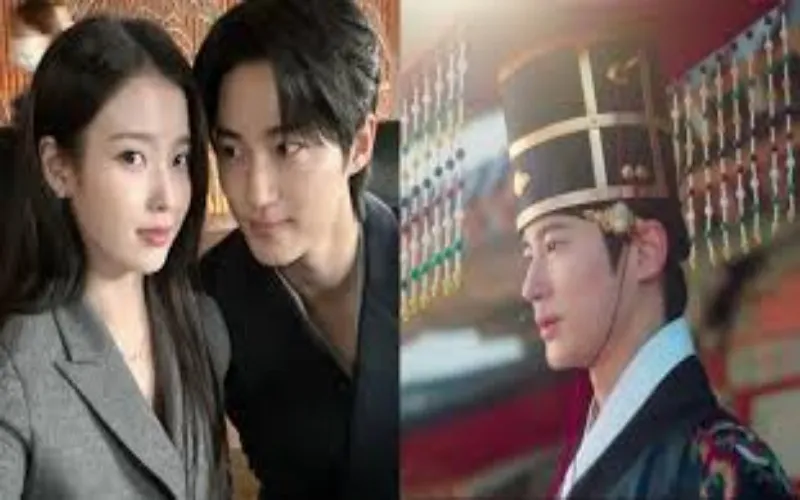
Viewers said the royal costume and ceremonial language looked more like those used by states under Chinese rule, rather than an independent Korean empire.
History teacher Choi Tae-sung also criticized the production. “I hope producers respect historians,” he wrote online. “Why spend millions on actors’ appearance but almost nothing on historical research?”
Professor Seo Kyung-duk warned that the controversy might strengthen China’s “Northeast Project,” a state backed initiative often accused of claiming Korean history.
Comparisons to past controversies:
Many viewers compared this situation to the SBS drama Joseon Exorcist, canceled in 2021 after two episodes due to historical inaccuracies.
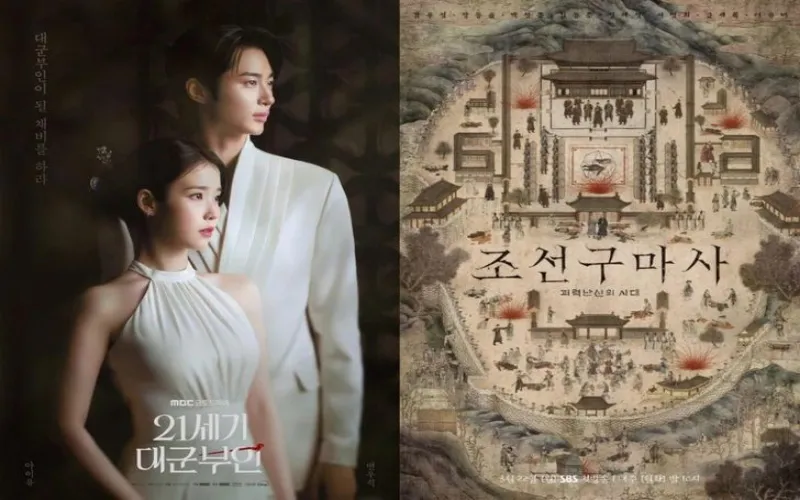
Sponsors pulled support, local governments stopped cooperating, and the broadcaster issued public apologies.
Some critics have accused MBC of double standards. They say the company harshly criticized Joseon Exorcist at the time but has been relatively quiet about the controversies surrounding its own drama.
The debate raises questions about the future of fantasy historical dramas in Korea.
Stories about the Joseon monarchy, especially alternate history plots, may face closer scrutiny as public sensitivity toward historical representation grows.
