

A recent Eid-ul-Adha campaign by Pakistani clothing brand Taana Baana has sparked widespread debate on social media, with its “Qurban” collection drawing strong criticism over its concept and execution.
The brand known for its premium unstitched and ready-to-wear fabrics, launched the campaign as part of its Eid-ul-Adha seasonal line attempting to creatively connect fashion with the spirit of sacrifice and tradition associated with the festival.
However the campaign quickly became controversial after visuals showed elegantly dressed female models positioned alongside raw meat a concept many users found unsettling and culturally insensitive.

The photoshoot released ahead of Eid-ul-Adha was intended as a bold artistic interpretation but instead triggered a wave of backlash across social media platforms. Critics questioned the theme calling it inappropriate and tone-deaf especially given the religious and emotional significance of the occasion.

Despite the brand issuing a clarification stating that no meat was wasted during the shoot, the explanation did little to calm public criticism.
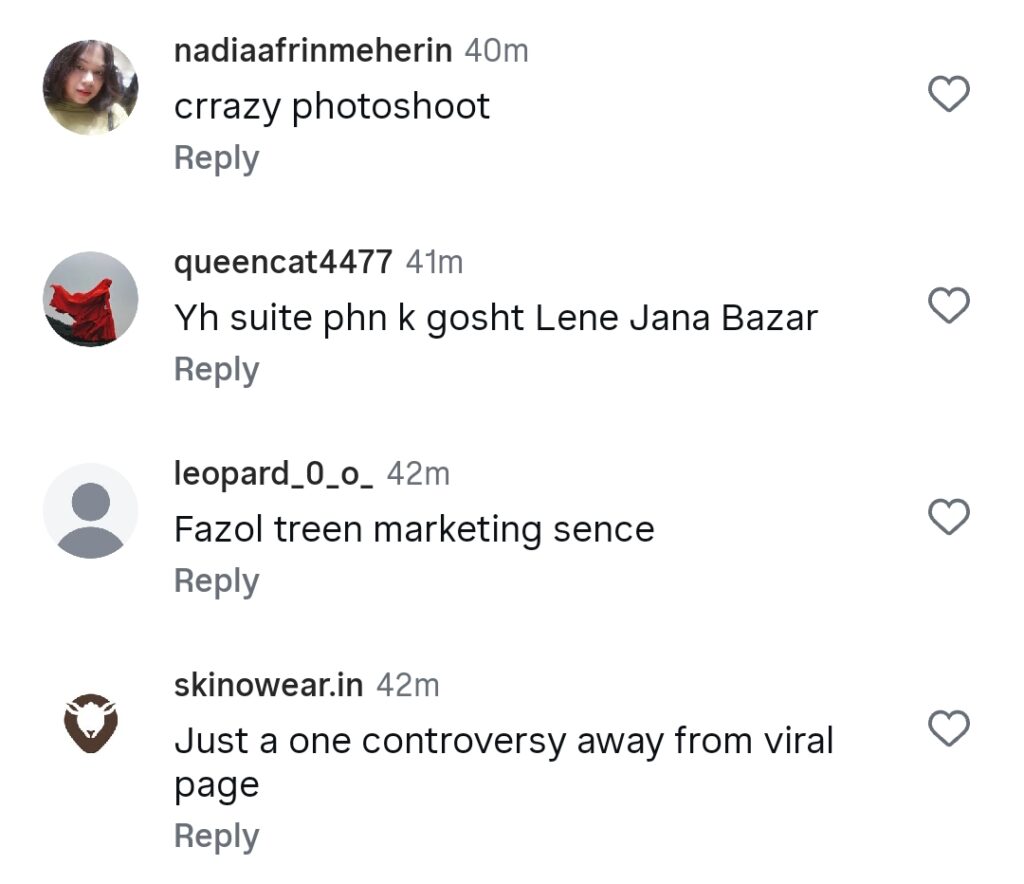
Many social media users argued that the imagery undermined the sanctity of Eid-ul-Adha a festival deeply rooted in sacrifice, charity, and the distribution of meat to those in need. Several comments questioned whether the campaign was promoting clothing or attempting shock-value marketing.

Some users described the concept as “distasteful” and “confusing,” while others sarcastically suggested the outfits appeared more suitable for a meat market than festive celebrations. The overall sentiment reflected discomfort with blending religious symbolism and high-fashion aesthetics in such a direct manner.
The backlash highlights the increasing sensitivity audiences show toward brand messaging in the digital era, where campaigns are instantly scrutinized and widely debated. While fashion is often driven by experimentation and bold visuals, this incident underscores the risks of misreading cultural and religious context.
As discussions continue online, the “Qurban” campaign has become a talking point in broader debates about creative boundaries in advertising.