




• White House optimistic about reaching deal in second round of Islamabad talks
• Source close to Pakistani delegation says Field Marshal carried Washington’s message that included Lebanon truce efforts
• Shehbaz scheduled to meet Saudi Crown Prince
• US calls Pakistanis ‘incredible mediators’
ISLAMABAD: While the White House on Wednesday said the US is discussing a possible second round of peace talks with Iran in Islamabad and is optimistic about reaching a deal, Pakistan’s civil and military leadership engaged in feverish diplomacy, with Prime Minister Shehbaz Sharif embarking on a four-day tour to Riyadh, Doha and Istanbul and Chief of Defence Forces Field Marshal Asim Munir leading a delegation to Tehran.
Field Marshal Munir’s visit comes at a delicate stage in the Iran-US engagement process days ahead of the expiry of the 15-day fragile truce. The visit, moreover, follows backchannel exchanges continuing after last week’s direct talks in Islamabad ended without a breakthrough though the diplomatic channel remained open.
A source close to the delegation said FM Munir carried a message from Washington, including updates linked to efforts to secure a ceasefire in Lebanon. Iran was awaiting Israeli announcement on ceasefire before deciding its response to the message relayed through Pakistan, the source added, underlining how developments in Lebanon remain tied to the broader negotiation track. The Iranian side was reportedly also judging whether or not US would stand by the commitments being made in the proposal.

Iranian Foreign Minister Abbas Araghchi, who received the delegation at the airport, later in a post on X said he was “delighted to welcome Field Marshal Munir to Iran”. He expressed gratitude for Pakistan’s hosting of the dialogue, calling it a reflection of “deep and great bilateral relationship” and a shared commitment to regional peace.

The Pakistani delegation includes Interior Minister Mohsin Naqvi and senior officials from the foreign ministry, security institutions and technical bodies. National Security Adviser and Director General ISI Lt Gen Asim Malik travelled separately to join the talks.
Detailed discussion
Iranian Foreign Ministry spokesman Esmail Baghaei, while confirming the visit, said: “Following the talks that took place in Islamabad, and also the discussions that the Pakistani side has had with US, our views have been conveyed and heard.” He said discussions in Tehran would include a detailed exchange of viewpoints about the Islamabad round.
Pakistani officials described the exchanges as part of continued efforts to sustain the fragile two-week ceasefire and prepare ground for another round of talks.
Indirect contacts between Tehran and Washington have persisted since the Islamabad talks, with both sides using Pakistan as the principal channel. The diplomatic push coincided with tentative easing of regional tensions.
‘War close to over’
US President Donald Trump said the war was “close to over” and hinted at another round of talks, while the White House indicated that Islamabad could again host the next meeting. Separately, Trump signalled reopening of the Strait of Hormuz, a move seen by diplomats as an attempt to stabilise energy flows and reduce immediate pressure.
Other parallel developments have added to cautious optimism. Contacts between the United Arab Emirates and Iran have resumed, opening another quiet diplomatic channel, while reported progress towards a ceasefire in Lebanon has helped ease one of the key flashpoints linked to the negotiations. Diplomats say these moves, taken together, are reinforcing the fragile Iran-US ceasefire that Pakistan helped broker.
At the same time, Prime Minister Shehbaz Sharif arrived in Riyadh, where his talks with Saudi leadership are formally centred on economic and defence cooperation but are also expected to support the wider diplomatic effort.
According to Arab media, PM Shehbaz was received by the deputy governor of the Mecca region on arrival. His visit followed Saudi Arabia’s decision to provide an additional $3 billion deposit to support Pakistan’s balance of payments, replacing Pakistan’s arrangement with the UAE.
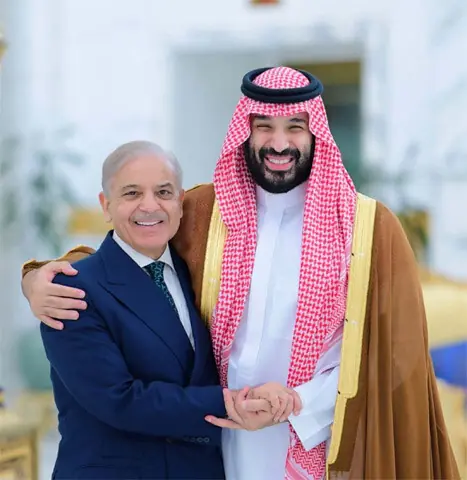
The prime minister met Saudi Crown Prince and Prime Minister Mohammad bin Salman and apprised him of the details of the recent Islamabad talks. Deputy Prime Minister Ishaq Dar accompanied PM Shehbaz.
On Thursday, the prime minister is set to leave for Qatar from where he would proceed to Turkiye.
Officials said the prime minister would also brief Saudi leaders on Pakistan’s mediation between Iran and the US, including the status of the ceasefire and prospects for renewed dialogue. Riyadh has publicly appreciated Islamabad’s role in facilitating the process.
A senior Pakistani diplomat accompanying the delegation said the engagements are aimed at reinforcing a shared objective of regional stability. “Pakistan remains committed to peace and dialogue in the region,” the diplomat said.
PM Shehbaz is expected to travel onward to Qatar and Turkiye, where discussions will cover economic cooperation as well as regional security. In Turkiye, he will attend the Antalya Diplomacy Forum and present Pakistan’s perspective on ongoing crises in West Asia.
On the sidelines of the forum, PM Shehbaz is “expected to hold bilateral meetings with President Recep Tayyip Erdogan and other key world leaders”.
‘Incredible mediators’
Earlier in the day, the White House praised Pakistan’s role as the principal intermediary in ongoing diplomatic efforts aimed at ending the Iran conflict.
Responding to a question on where the US team would be positioned in the next round of negotiations, White House Press Secretary Karoline Leavitt said, “They would very likely be in the same place as they were the last time,” Islamabad.
“I would just want to make one point that’s important to the president. Pakistanis have been incredible mediators throughout this process and we really appreciate their friendship and their efforts to bring this deal to a close.”
She further clarified that Pakistanis “are the only mediator in this negotiations while there have been many countries around the world who want to offer their help.”
Explaining why the second round would also be held in Islamabad, she said: “The president feels it’s important to continue to streamline this communication through the Pakistanis so it continues to take place.”
Syed Irfan Raza in Islamabad and Anwar Iqbal in Washington also contributed to this report
Published in Dawn, April 16th, 2026
