




On the 28th day of the US-Israel war against Iran, US President Donald Trump’s decision to extend the “pause” on strikes against Iranian energy infrastructure until April 6 created the appearance of a diplomatic opening; but in effect, it reflected an attempt to buy time amid rising military, economic and political pressures, while keeping escalation options firmly on the table.
The extension, framed by Washington as a response to “ongoing talks,” has been rejected by Tehran as psychological signalling, with Iranian officials maintaining that no such request was made and reiterating their rejection of the US proposal. This difference in itself underscores the underlying reality that the pause is less about de-escalation and more about managing the pace of escalation, allowing the US and Israel to sustain pressure through other means while avoiding an immediate dive into full scale energy warfare.
On the battlefield, the conflict continued to operate at a high intensity. Iranian ballistic missile barrages and Hezbollah strikes over the past 24 hours have kept pressure on Israeli territory, triggering repeated air raid alerts and reinforcing the pattern of sustained, distributed retaliation. Iranian missile launches from sites, including the repeatedly targeted Yazd missile complex, prove that despite ongoing strikes and the claims about obliteration of Iranian capacity, Tehran retains operational depth.
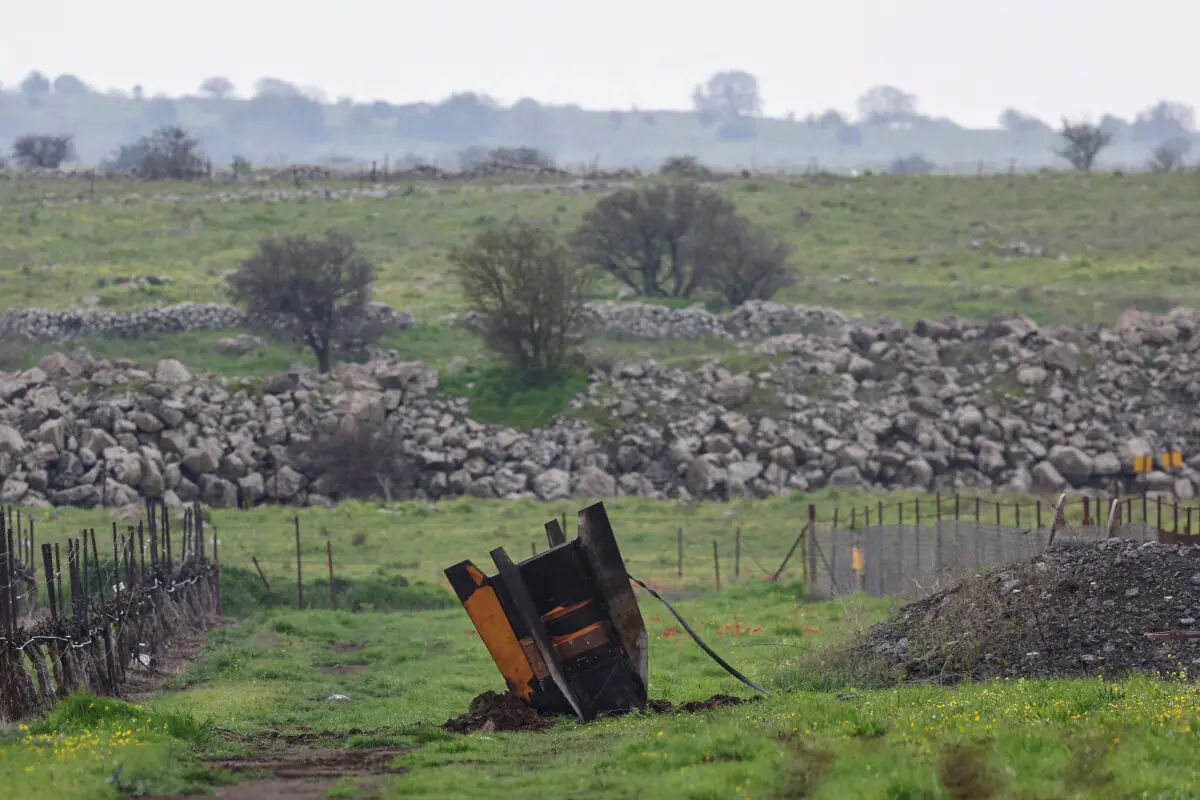
US and Israeli forces, for their part, have continued precision targeting of Iranian civilian infrastructure, and missile production, air defence and naval sites. The strikes on missile and sea mine production facilities, alongside attacks on storage and launcher sites seem to be aimed at degrading Iranian capacity over time rather than achieving immediate tactical advantage. Meanwhile, the reports about US sea drone activity point to an expanding operational toolkit in the maritime domain.

Next phase?
At the same time, it is patently clear that preparations for a possible next phase are afoot. The movement of additional forces into the region tell the story — the Pentagon is implementing its plan to seize strategic Iranian Islands, whether it’s Kharg or lesser significant ones. The additional troops being flown into the theatre to augment an already existing 50,000 force include amphibious and airborne elements that would support limited objectives linked to control of the Strait of Hormuz. While no such operation has yet been initiated, the steady buildup leaves little doubt that the military track is being advanced in the cover of a diplomatic one.

The economic dimension remains the defining feature of this conflict. Traffic through the Strait of Hormuz has effectively collapsed, with a sharp reduction in vessel movement in the outgoing month because of operational risks and insurance constraints. There has been a 96 per cent reduction in traffic through the Strait so far, with only 116 vessels having crossed through. Iran has so far effectively leveraged this disruption as a source of pressure, maintaining selective exports while asserting a more regulated approach to maritime access. In this situation, oil prices remain elevated, though pushed below $100 mark, through some optimistic signaling about a peaceful settlement by Trump. Nevertheless, broader supply chain effects have continued to build.
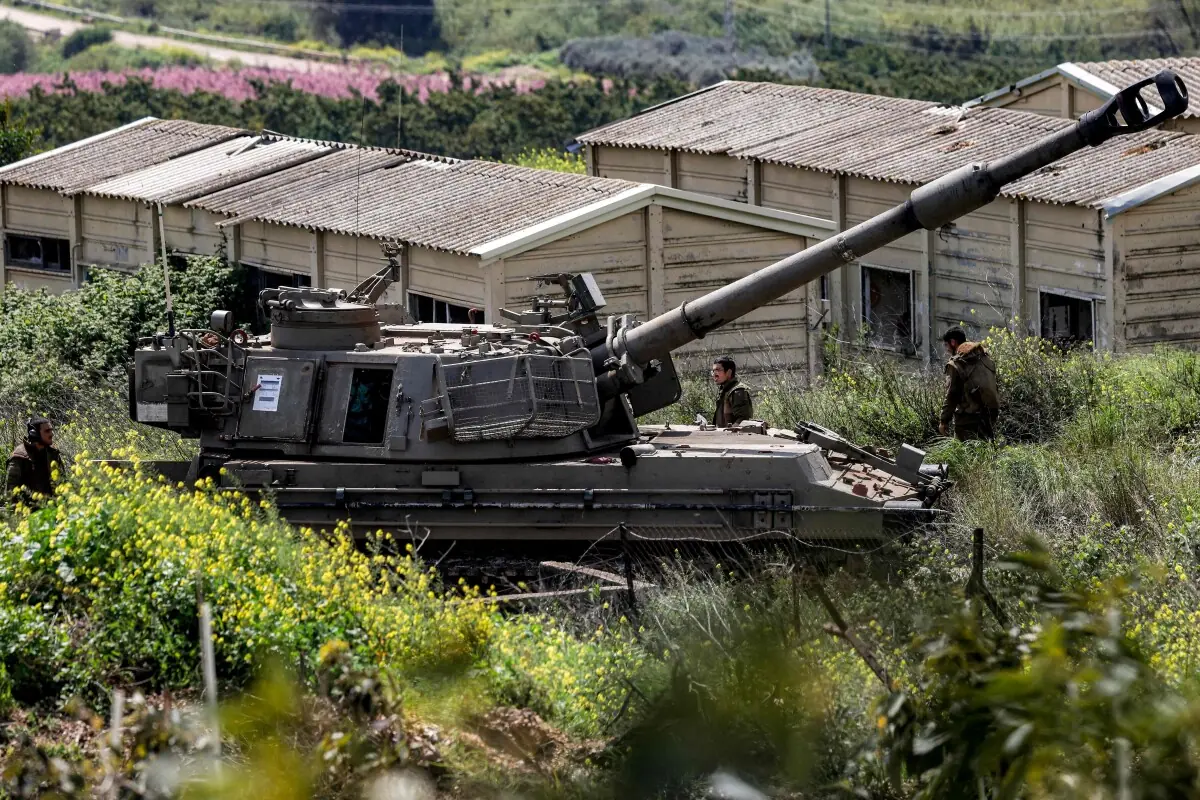
A particularly significant development over the past day has been the emergence of a serious strain within Israeli military structures. Israeli Chief of Staff Eyal Zamir has warned his country’s political leadership that the force was at risk of “collapsing in on itself” due to manpower shortages, repeated reserve mobilisations and because of fighting across multiple fronts, including Iran, Lebanon and the West Bank. The warning exposes the aggravating challenge for Israel to sustain prolonged high-intensity operations and the introduction of a new variable into the conflict’s trajectory.

Endurance and calibrated escalation
On the Iranian side, the strategy remains that of combining endurance with calibrated escalation. Missile capabilities appear intact to a reasonable extent, with indications emerging that more advanced systems are still being held in reserve, while internal security measures, including arrests of suspected sabotage networks, tell us about the vigilance against internal covert threats. At the same time, Iranian messaging has expanded to include explicit warnings that targets associated with US and allied presence in the Gulf, more specifically in the United Arab Emirates and Bahrain, could be brought into the conflict if escalation crosses certain thresholds.
Diplomatically, the gap between positions has remained unchanged despite the deadline of the initial five-day pause passing and Trump unilaterally extending it. Iranians have stuck to the demands for an end to attacks, guarantees against future aggression, compensation and a broader settlement that includes multiple regional fronts, while rejecting core elements of the US proposal. External actors, including Germany, China, Turkiye and Egypt, have called for engagement, but without altering the underlying dynamics.
The extension of the pause, therefore, reflects a dual-track approach wherein military preparations are proceeding under the diplomatic cover. For Washington, it provides breathing space amid domestic economic pressure and allied concerns, while maintaining pressure on Tehran. For Iran, the delay, and not formal cessation of hostilities, will be a strain on its limited resources.
Effect on timeline or trajectory?
Over the past 24 hours, Hezbollah has maintained high-intensity pressure on northern and central Israel through coordinated missile and drone strikes, including large-scale salvos targeting areas south of Haifa, including launches originating from southern Lebanon, where its forces continue to actively resist Israeli intrusions despite the Lebanese army’s withdrawal from forward positions.
Hezbollah appears to have adapted its battlefield structure by elevating new and relatively unknown field commanders, which has reduced the effectiveness of Israel’s pre-existing target bank and complicated counter-strike planning.
On the Israeli side, air sorties and precision strikes into southern Lebanon have declined noticeably because of constraints linked to guided munition shortages and operations are now largely dominated by ground engagements. The inability of Israeli forces to secure the town of Khiyam for a third consecutive week, despite the Lebanese government’s claims that Hezbollah presence there had been cleared, has added to operational and psychological strain for the Israelis.
At the same time, the Houthis in Yemen have remained in a state of high operational readiness without yet entering the conflict. Assessments indicate that Houthis are being held as a strategic reserve that could be activated if and when US strikes on Iranian energy infrastructure start, in which case disruption of the Bab el-Mandeb Strait and Saudi export routes through Yanbu would become immediate objectives.
In Iraq, Iranian-aligned groups have remained comparatively restrained over the past day, with no major kinetic activity reported.
The overall assessment at the end of Day 28 is that the structural drivers of escalation have remained intact and the immediate implication of the extended deadline is that it has only shifted the conflict’s timeline without altering its trajectory. It has also increased the risk that the next phase, when it comes, could be sharper and more consequential.
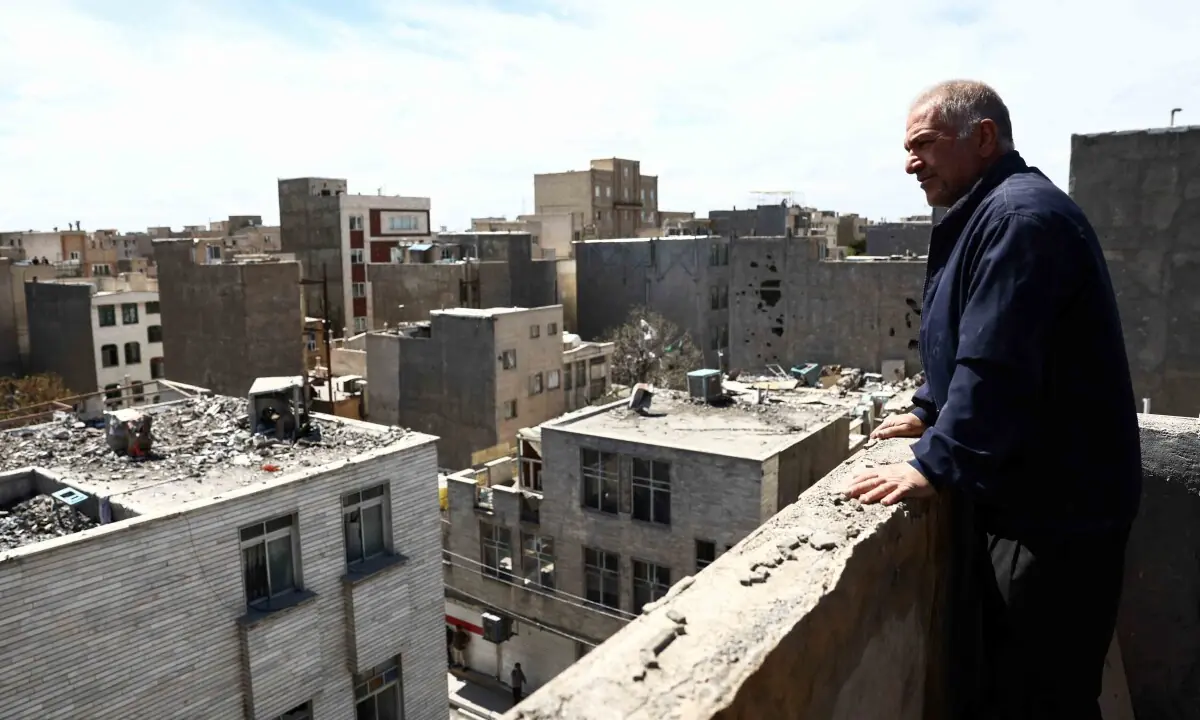
Header image: A view of a residential building damaged by a strike, amid the US-Israeli war on Iran, in Tehran, Iran, March 27, 2026. — Reuters


